Mr. Mikael Imru
In Office: 3 August 1974 – 12 September 1974
Political Party: Independent
Home State: Addis Ababa
Lifespan: 1929–2008
Country: Ethiopia
Image credits available here.
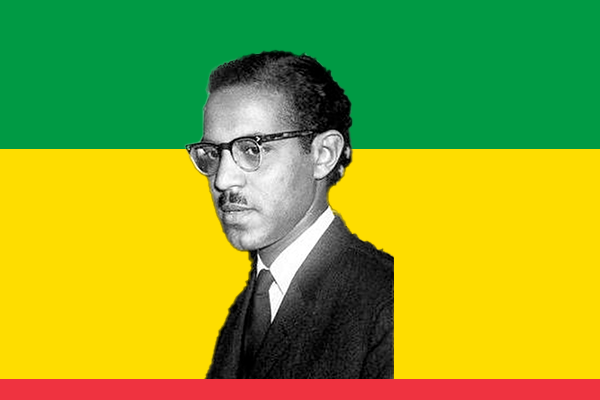
Early Life and Education
Mikael Imru was born in 1929 into a respected Ethiopian noble family. His upbringing combined traditional Ethiopian values with exposure to global ideas. His father, Imru Haile Selassie, served as a prominent statesman and cousin of Emperor Haile Selassie I. Mikael Imru grew up in an environment that valued public service, diplomacy, and education. He attended schools in Ethiopia and continued his higher education abroad, where he studied economics and political science. His education gave him a strong foundation for understanding both domestic and international affairs.
Early Career and Political Foundations
After completing his studies, Mikael Imru entered public service. He worked in various administrative roles and quickly gained a reputation for integrity, intelligence, and commitment to reform. He represented Ethiopia in diplomatic missions and helped strengthen the country’s international presence. His work emphasized modernization and the importance of economic development through cooperation with other nations.
Rise in Government Service
Mikael Imru served in several important government posts before becoming Prime Minister. He worked as an ambassador, representing Ethiopia with dignity and strategic insight. He also served in ministerial capacities, where he developed policies focused on education, rural development, and economic improvement. His leadership style reflected a blend of Ethiopian tradition and progressive thinking. He believed that modernization should occur without losing cultural identity.
Appointment as Prime Minister
In August 1974, during a period of intense political turmoil, Emperor Haile Selassie appointed Mikael Imru as Prime Minister. The country faced widespread unrest, economic challenges, and social upheaval. Many citizens demanded reform and greater equality. Mikael Imru accepted the position with a sense of duty, aiming to guide Ethiopia through a peaceful transition. He sought to introduce progressive reforms that could respond to the needs of the people while maintaining national stability.
Policies and Reform Efforts
As Prime Minister, Mikael Imru prioritized social and economic reforms. He emphasized land redistribution and agricultural modernization to reduce inequality between rural and urban populations. He encouraged education and technical training to prepare young Ethiopians for development work. His government also worked to modernize state institutions and promote transparency. Although his tenure was brief, his policies reflected a genuine effort to build a fairer and more inclusive Ethiopia.
Challenges and Political Transition
Mikael Imru faced enormous challenges during his short time in office. The political climate grew unstable as the Derg, a military committee, gained power. Despite his moderate approach, radical forces within the country demanded faster and more sweeping reforms. When the Derg took control and deposed Emperor Haile Selassie in September 1974, Mikael Imru’s government lost authority. He was detained for a time, but his moderate reputation and respect for justice helped him remain a respected public figure.
Later Life and Diplomatic Contributions
After his release, Mikael Imru continued to promote peace and development. He engaged in intellectual and diplomatic work that reflected his lifelong belief in progress through understanding and cooperation. Even after leaving formal politics, he remained a symbol of moderation and integrity. Many Ethiopians viewed him as a man of vision who sought unity in times of division.
Legacy and Impact
Mikael Imru’s leadership, though short-lived, left a lasting mark on Ethiopian political history. He represented a generation of leaders who valued reform, education, and national dignity. His balanced approach between tradition and modernization inspired many future reformers. Ethiopians remember him as a statesman who tried to bring harmony during one of the nation’s most turbulent times. His life story continues to reflect the struggle between progress and preservation that defines much of Ethiopia’s modern journey.