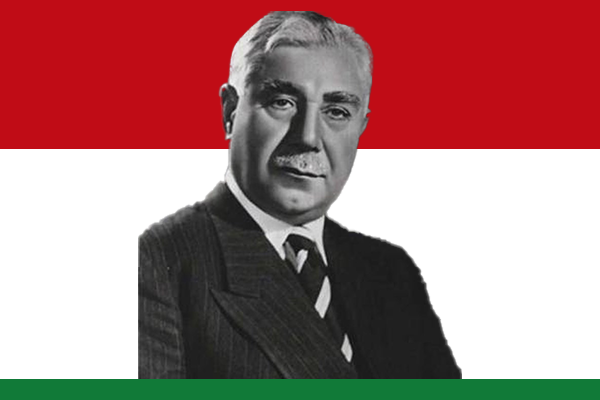
Early Life and Rise in Public Service
Mohammad Sa’ed, also known as Mohammad Sa’ed Maraghei, entered public life with a strong interest in administration and governance. He pursued education that exposed him to modern political ideas, and he used this knowledge to build a steady career in Iran’s bureaucracy. As he gained experience, he took on various administrative responsibilities that shaped his understanding of diplomacy and internal reform. His competence helped him rise in rank, and he soon attracted national attention.
Entry Into National Politics
Sa’ed entered high-level politics during a turbulent era in Iran’s history. The country faced foreign pressure, internal shifts, and the challenge of modernization. Instead of stepping back, he accepted new responsibilities and positioned himself as a calm and pragmatic political figure. He gained influence because he consistently promoted administrative efficiency and national stability. His reputation for discipline and neutrality strengthened his standing among both political elites and the monarchy.
First Term as Prime Minister
Mohammad Sa’ed became Prime Minister in 1944, during World War II and the Allied occupation of Iran. He confronted enormous challenges, but he approached them with caution and firmness. Sa’ed worked to preserve Iranian autonomy while navigating the demands of foreign powers. He negotiated diplomatically, asserted Iran’s interests, and attempted to reduce external influence over internal affairs. He also supported efforts to stabilize the economy and maintain government functionality despite wartime pressures.
His approach helped Iran maintain political continuity. However, his resistance to foreign interference also brought intense pressure. When foreign demands escalated, he chose to resign rather than surrender national interests. His departure highlighted his commitment to sovereignty.
Return to Leadership
Sa’ed returned as Prime Minister in 1953, during another critical chapter in Iranian politics. The country experienced political fragmentation and distrust following the nationalization of oil and the removal of previous leadership. Sa’ed accepted the responsibility to restore order and guide Iran toward stability. He reorganized administrative structures, encouraged dialogue, and tried to rebuild confidence in governmental institutions.
Although his second tenure was short, he used his experience to calm tensions. He introduced measures that restricted political violence, promoted internal discipline, and re-established a functioning cabinet. His steady leadership helped Iran transition from crisis to relative stability.
Administrative Style and Political Views
Mohammad Sa’ed governed with a cautious and deliberate style. He valued diplomacy, structure, and administrative discipline. Instead of pursuing radical changes, he focused on preserving national order and protecting Iran’s sovereignty. He believed in pragmatic policies, supported modernization efforts, and tried to balance reform with tradition. His moderate stance allowed him to lead without provoking drastic opposition.
Later Years and Legacy
After leaving the office of Prime Minister, Sa’ed continued participating in political and administrative affairs. He served the country in various capacities and remained a respected figure in Iranian political history. His calm demeanor, diplomatic abilities, and commitment to national independence helped shape his legacy.
Mohammad Sa’ed left behind an example of leadership grounded in restraint, strategic thinking, and loyalty to national interests. Historians recognize his ability to navigate one of Iran’s most difficult eras while maintaining political stability. His contributions still hold significance in discussions about Iran’s mid-20th-century transformation.