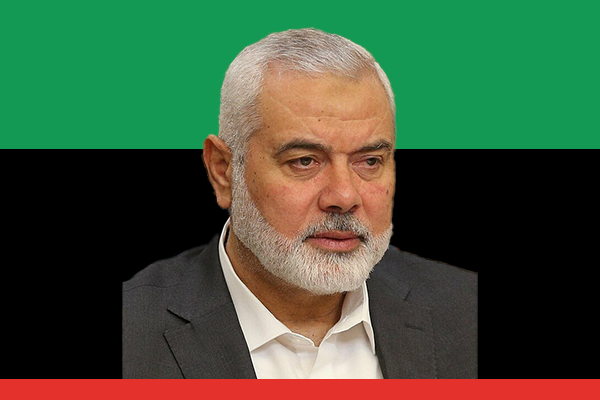
Early Life and Education
Mohammad Shtayyeh was born on January 17, 1958, in the village of Tell, near Nablus, in the West Bank. He grew up during a period of political tension and conflict, which deeply influenced his political awareness and future career. From an early age, he showed interest in education and national issues.
Shtayyeh pursued higher education in economics and development studies. He studied at Birzeit University, one of the leading academic institutions in Palestine. Later, he continued his studies abroad, earning advanced degrees that strengthened his expertise in economic planning and international development. His academic background played a key role in shaping his future leadership.
Political Career and Role in Fatah
Mohammad Shtayyeh became actively involved in Palestinian politics through the Fatah movement, the main political party founded by Palestinian leader Yasser Arafat. Fatah has been central to Palestinian national politics for decades, and Shtayyeh became one of its trusted members.
Over the years, he held several important positions. He worked in economic councils, planning institutions, and negotiation teams. His expertise made him an important figure in discussions related to economic cooperation and development. He also played a role in peace-related efforts and supported diplomatic solutions to the Palestinian-Israeli conflict.
Appointment as Prime Minister
In March 2019, Mohammad Shtayyeh was appointed Prime Minister of the Palestinian Authority. His appointment came at a time when Palestine faced political division, economic challenges, and international pressure.
As Prime Minister, Shtayyeh focused on strengthening Palestinian institutions, improving public services, and supporting economic independence. He worked to reduce reliance on external support and encouraged local production and investment. His government aimed to improve living conditions for Palestinians despite difficult political circumstances.
Leadership During Challenging Times
Mohammad Shtayyeh’s leadership was tested during several major challenges. One of the most important was the COVID-19 pandemic. His government implemented safety measures, supported the health system, and worked to secure vaccines for the Palestinian population.
He also faced financial difficulties caused by political tensions and reduced funding. Despite these challenges, he emphasized stability, resilience, and national unity. He continued to advocate for Palestinian rights at regional and international levels.
Shtayyeh often spoke about the importance of peace, justice, and the creation of an independent Palestinian state. His leadership reflected both political commitment and economic understanding.
Contributions and Legacy
Mohammad Shtayyeh is widely respected for his experience as an economist and political leader. His contributions include strengthening government institutions, promoting economic planning, and representing Palestinian interests internationally.
He is known for his calm leadership style, professional background, and dedication to public service. His work helped maintain the functioning of the Palestinian government during difficult times.
Even after facing political challenges, Shtayyeh remains an important figure in Palestinian politics. His career reflects decades of service, commitment, and leadership.
Conclusion
Prime Minister Mohammad Shtayyeh played a significant role in Palestinian governance and politics. From his early education to his leadership as Prime Minister, he demonstrated dedication to his people and nation. His efforts in economic development, crisis management, and political leadership have made him a key figure in modern Palestinian history.