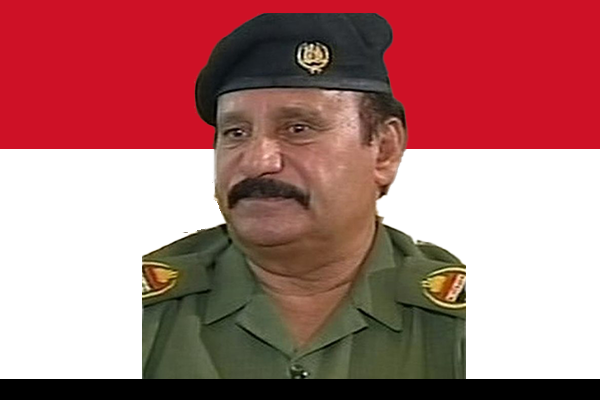
Early Life and Political Background
Mohammed Hamza az-Zubeidi was born in 1938 in Iraq. He was trained as an engineer, a background that influenced his technocratic approach to administration. Before becoming Prime Minister, he held several governmental and party-related positions that helped establish his reputation as a loyal and capable administrator within the ruling political structure. His rise in politics was closely linked to his alignment with the leadership of the Ba’ath Party and his ability to manage state responsibilities during difficult periods.
Appointment as Prime Minister
Az-Zubeidi was appointed Prime Minister in September 1991, shortly after the Gulf War had ended. Iraq was emerging from military defeat, widespread destruction of infrastructure, and internal unrest. The country was also facing strict international sanctions that severely limited trade, oil exports, and access to essential goods. His appointment signaled an attempt by the Iraqi leadership to stabilize governance and restore administrative control in the aftermath of conflict.
Governance During a Period of Sanctions
One of the defining aspects of Mohammed Hamza az-Zubeidi’s tenure was managing the Iraqi state under economic sanctions. These sanctions led to shortages of food, medicine, and basic services, deeply affecting daily life for ordinary citizens. As Prime Minister, az-Zubeidi oversaw government efforts to maintain public distribution systems and basic state functions despite declining revenues. His role required balancing limited resources while responding to social hardship and growing public dissatisfaction.
Domestic Challenges and Administrative Role
Az-Zubeidi’s leadership was largely administrative rather than visionary. Decision-making power remained concentrated at the top of the political system, leaving the Prime Minister with limited independence. Nevertheless, he played an important role in coordinating ministries, managing internal security concerns, and attempting to restore normalcy after widespread unrest in several regions. His government focused on maintaining order and continuity rather than introducing structural reforms.
End of Tenure and Later Life
In May 1993, Mohammed Hamza az-Zubeidi was replaced as Prime Minister. His departure reflected ongoing shifts within the Iraqi leadership as it responded to internal and external pressures. After leaving office, he largely disappeared from public political life. He passed away in 2005, marking the end of a career closely tied to one of Iraq’s most turbulent eras.
Historical Significance
Mohammed Hamza az-Zubeidi is remembered as a Prime Minister who governed during crisis rather than transformation. His tenure illustrates the limitations of political leadership under sanctions, centralized authority, and post-war instability. While he did not introduce major reforms, his role remains significant for understanding how Iraq functioned during the early 1990s. His time in office offers insight into the challenges of maintaining state administration in one of the harshest periods of modern Iraqi history.