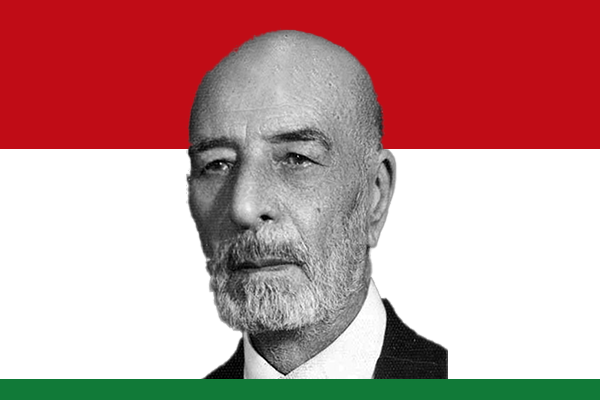
Early Life and Rise in Iranian Politics
Mohsen Sadr, born in 1871 in Tehran, grew up in an environment shaped by scholarship and public service. He pursued religious and legal studies in his early years, and his education introduced him to political thinkers who influenced his worldview. As he entered public life, he quickly built a reputation as an honest and capable administrator. His strong command over legal affairs and his commitment to national progress helped him secure roles within Iran’s judicial system and administrative offices.
During the early decades of the 20th century, Iran faced internal reforms and external pressures. Sadr recognized the growing need for stability and modernization, so he aligned himself with national leaders who aimed to strengthen state institutions. He served in multiple government positions, including as Justice Minister, where he promoted legal reforms and encouraged the professionalization of the judiciary. His early career achievements helped him gain recognition as a reliable figure in national governance.
Path to the Premiership
As political tensions rose in the 1940s, Iran needed experienced leadership to navigate global shifts following World War II. Mohsen Sadr stepped forward and accepted the responsibility to lead the country. In 1945, the Shah appointed him Prime Minister, trusting his ability to manage both domestic challenges and diplomatic complexities.
Upon taking office, Sadr immediately focused on restoring internal order and strengthening Iran’s administrative functions. He addressed issues related to economic reconstruction and worked to increase cooperation among political factions. His calm leadership style and his commitment to institutional stability earned him respect from civil servants and political colleagues.
Leadership and Key Initiatives
As Prime Minister, Sadr emphasized legal, financial, and administrative reforms. He encouraged government bodies to function more transparently and pushed ministries to adopt more efficient practices. He also recognized the importance of Iran’s international relationships, so he supported diplomatic engagement with global powers to secure national interests.
Sadr worked to balance tradition with modernization. He valued Iran’s constitutional framework and tried to strengthen it by promoting lawful governance. At the same time, he understood that Iran needed modern infrastructure and better economic planning. His government initiated several development-oriented discussions, although political shifts limited his time in office.
Despite these challenges, Sadr maintained a steady and principled approach. He protected the independence of national institutions and resisted pressures that undermined constitutional rule. His balanced leadership helped Iran transition peacefully through a sensitive period.
Challenges and Resignation
Mohsen Sadr’s time as Prime Minister remained short because political tensions escalated, and competing factions attempted to influence governmental decisions. As disagreements grew, Sadr chose to resign rather than allow instability to spread. His resignation reflected his character: he valued national unity more than personal authority.
Although he left office, he continued to advise political leaders and remained involved in national affairs. His wisdom and experience made him a respected figure across political circles.
Legacy and Contributions
Mohsen Sadr left a legacy defined by integrity, legal reform, and administrative discipline. He strengthened Iran’s judicial institutions and supported governance based on constitutional principles. His leadership highlighted the importance of stability during turbulent times. Many historians view him as a statesman who upheld responsibility and dignity while navigating complex political realities.