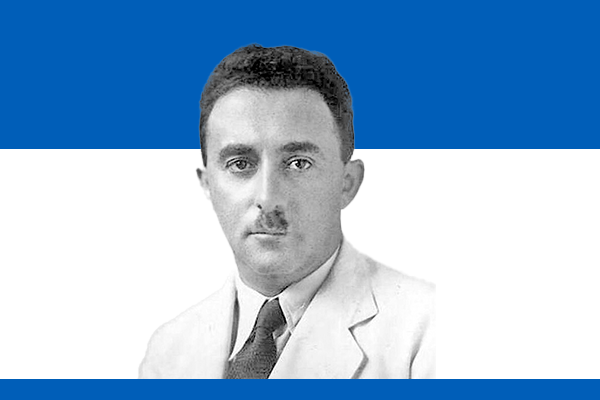
Early Life and Education
Moshe Sharett was born on October 15, 1894, in Kherson, then part of the Russian Empire. His family moved to Ottoman Palestine in 1906, and he grew up in a pioneering environment that encouraged Zionist ideals. He studied at the Herzliya Hebrew Gymnasium in Tel Aviv and later traveled to Istanbul, where he studied law and administration. These experiences exposed him to diverse cultures and political thinking, and they shaped his diplomatic mindset. Sharett returned to Palestine during World War I and joined the Ottoman Army as an interpreter, which gave him crucial linguistic and political skills.
Entry into Zionist Leadership
Sharett entered Zionist politics with strong belief in negotiation and international legitimacy. When the British Mandate began, he joined the Jewish Agency and steadily rose through its political department. He worked tirelessly to present the Jewish national cause to global leaders, and his calm, analytical approach made him one of the most trusted voices of the Yishuv (Jewish community in Palestine). He advocated diplomacy as the main tool for securing Jewish national aspirations, even when many preferred armed resistance.
Role in Israel’s Founding
As World War II ended and the struggle for a Jewish homeland intensified, Sharett broadened Israel’s diplomatic outreach. He represented Jewish interests at international forums and played a major role in gaining support for the 1947 UN Partition Plan. When Israel declared independence in 1948, he became the new state’s first Foreign Minister. In this role, he built Israel’s foreign service from the ground up and forged relationships with major global powers. His work helped secure international recognition and military aid during the critical early years of the state.
Prime Minister of Israel (1954–1955)
Sharett became Prime Minister in 1954 after David Ben-Gurion temporarily stepped aside. As Prime Minister, Sharett emphasized diplomacy and moderation in Israel’s security policy. He believed Israel should avoid unnecessary armed conflict and should rely on negotiations, alliances, and international cooperation. He worked to reduce border tensions with neighboring Arab states and encouraged dialogue whenever possible.
While overseeing domestic affairs, he supported social development, immigrant absorption, and economic stabilization. His calm leadership style differed sharply from Ben-Gurion’s more assertive approach, but it appealed to Israelis who valued diplomacy over confrontation.
Security Challenges and Political Tensions
Sharett’s term coincided with a period of rising regional hostility. Cross-border raids, retaliatory operations, and ongoing disputes with Egypt and Jordan created intense pressure on his government. He pushed for diplomatic solutions, but the Israel Defense Forces and much of the political establishment favored stronger military responses. These disagreements weakened his political position. When the Lavon Affair erupted—an Israeli covert operation in Egypt that ended disastrously—Sharett faced political fallout despite not directing the operation.
Ben-Gurion eventually returned to politics, and the Mapai Party supported his leadership over Sharett’s more moderate approach. Sharett stepped down as Prime Minister in 1955 but continued serving as Foreign Minister until 1956.
Later Career and Legacy
After leaving government, Sharett became chairman of the Jewish Agency and promoted education, cultural development, and global Jewish relations. He continued advocating peaceful diplomacy and mutual understanding in the Middle East. His speeches and diaries, rich with insight and detail, later became important historical sources on Israel’s early years.
Moshe Sharett died on July 7, 1965. Israel remembers him as a statesman who believed deeply in negotiation, international cooperation, and moral leadership. His diplomatic foundations continue to influence Israel’s foreign policy decades after he helped shape the nation’s direction.