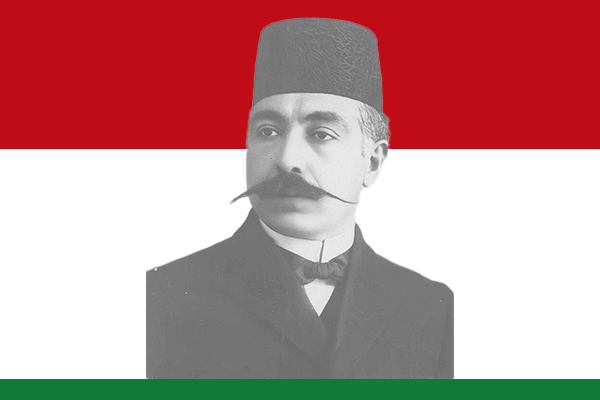
Early Life and Rise in Government
Mostowfi ol-Mamalek, born into a prominent bureaucratic family in Tehran in 1870, grew up in an environment deeply connected to Iran’s administrative traditions. His early education exposed him to Persian literature, governance, and diplomacy. He entered the government at a young age and quickly demonstrated his intelligence and integrity. His family’s reputation and his own competence helped him secure key administrative posts, allowing him to build a network of political allies.
As the Constitutional Revolution reshaped Iranian politics, he supported reforms that strengthened parliamentary authority. His principled stance and administrative expertise earned him the respect of both reformists and moderate conservatives. These qualities paved the way for his appointment as Iran’s prime minister multiple times during a turbulent era.
Leadership During the Constitutional Era
When he assumed the premiership, Mostowfi ol-Mamalek used his authority to stabilize Iran’s political environment. He recognized the urgent need for administrative efficiency, financial restructuring, and a stronger parliamentary system. Instead of tolerating corruption and political infighting, he consistently confronted these issues with a calm but firm approach.
He embraced the constitutional movement’s ideals by encouraging parliamentary debate and supporting reforms that limited arbitrary royal authority. He worked to balance the demands of competing political groups, choosing dialogue and negotiation over repression. His diplomatic temperament strengthened his image as a fair and thoughtful leader.
Key Reforms and Governance Style
Mostowfi ol-Mamalek approached governance with a commitment to modernization. He initiated administrative reforms to improve tax collection, reduce government waste, and increase bureaucratic professionalism. He strengthened ministries, encouraged merit-based appointments, and promoted transparency in state functions.
In foreign policy, he defended Iran’s sovereignty at a time when major powers—Russia and Britain—sought greater influence. He used diplomacy to negotiate concessions, protect Iran’s interests, and prevent external pressure from escalating into direct intervention. His balanced foreign policy allowed Iran to navigate difficult geopolitical conditions.
He also supported infrastructure development and educational improvements. He encouraged investment in schools, modern administration, and communication networks. Although political instability limited the full implementation of his reforms, he consistently advocated long-term national development.
Challenges and Political Pressures
Despite his reformist intentions, Mostowfi ol-Mamalek faced continuous opposition from powerful elites, foreign powers, and shifting political alliances. Parliamentary disputes frequently slowed or blocked his initiatives. Some critics accused him of being overly cautious, while others viewed him as too idealistic for Iran’s turbulent political reality.
Economic crises, external pressures, and internal divisions repeatedly forced him to resign, but he always returned when the nation needed steady leadership. His perseverance demonstrated his dedication to public service rather than personal power.
Legacy as a Moderate and Principled Leader
Mostowfi ol-Mamalek left a lasting legacy as one of Iran’s most respected early 20th-century statesmen. His honesty, moderate political vision, and commitment to constitutionalism distinguished him from many of his contemporaries. He never sought personal wealth or political domination; instead, he worked tirelessly to strengthen Iran’s institutions.
Even after leaving office, he continued to influence debates on governance and reform. His peers admired him for his integrity and humility, and historians remember him as a symbol of responsible leadership during one of Iran’s most challenging historical periods.
Conclusion
Mostowfi ol-Mamalek shaped Iran’s political landscape with a clear commitment to justice, reform, and constitutional rule. He demonstrated that principled leadership can prevail even in the face of political turmoil. His contributions continue to inspire discussions on governance, reform, and national integrity in modern Iran.