Mr. Nikolai Tanayev
In Office: 22 May 2002 – 25 March 2005
Political Party: Independent
Home State: Manas
Lifespan: 1945–2020
Country: Kyrgyzstan
Image credits available here.
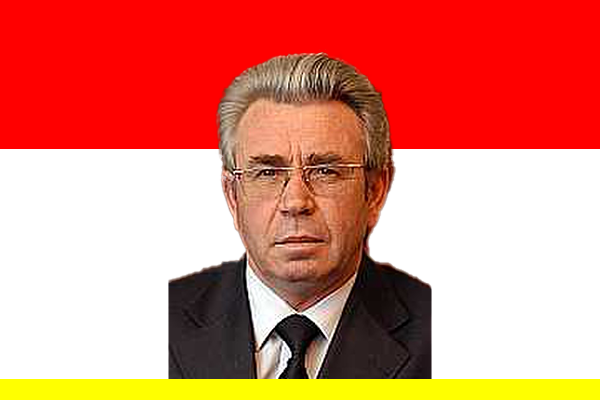
Early Life and Education
Nikolai Tanayev was born on 5 July 1945 in the Kyrgyz Soviet Socialist Republic. He grew up in an environment shaped by Soviet political and administrative systems, which later influenced his governance style. Tanayev pursued higher education in technical and economic fields, gaining qualifications that prepared him for work in public administration and state planning. His academic background helped him understand industrial development, economic management, and bureaucratic coordination, all of which were crucial in his later political career.
Entry into Public Service
Tanayev began his professional life working in engineering and management roles within state institutions. Over time, he transitioned into government service, where he gained experience in economic planning and regional administration. His ability to work within complex bureaucratic structures allowed him to rise steadily through the ranks. By the 1990s, he had established himself as a capable administrator with strong ties to both political leaders and economic institutions.
Appointment as Prime Minister
Nikolai Tanayev was appointed Prime Minister of Kyrgyzstan in 2000 during the presidency of Askar Akayev. His appointment reflected confidence in his administrative skills and his ability to manage economic challenges. Kyrgyzstan at the time was dealing with budget constraints, social pressures, and the long-term effects of post-Soviet economic restructuring. Tanayev’s role was to maintain stability while continuing reform efforts.
Policies and Governance
As Prime Minister, Tanayev focused on economic management, state administration, and social policy coordination. His government worked on strengthening fiscal discipline, improving tax collection, and supporting key sectors such as energy and agriculture. He also emphasized maintaining internal stability and ensuring the functioning of state institutions.
Tanayev’s leadership style was pragmatic and technocratic. Rather than dramatic political changes, he favored gradual reforms and administrative efficiency. His tenure reflected continuity in government policy, especially in relation to economic liberalization and cooperation with international financial institutions.
Challenges and Resignation
Despite his experience, Tanayev faced growing political pressure and public dissatisfaction related to economic hardship and governance concerns. Political tensions increased in the early 2000s, and disagreements within the government weakened his position. In 2002, he resigned from the post of Prime Minister, marking the end of his formal leadership role in the executive branch.
Later Life and Legacy
After leaving office, Nikolai Tanayev remained a significant figure in Kyrgyz political history. His tenure is often viewed as representative of the technocratic leadership style common in post-Soviet states during the early years of independence. Supporters credit him with maintaining administrative stability, while critics argue that deeper reforms were needed during his time in office.