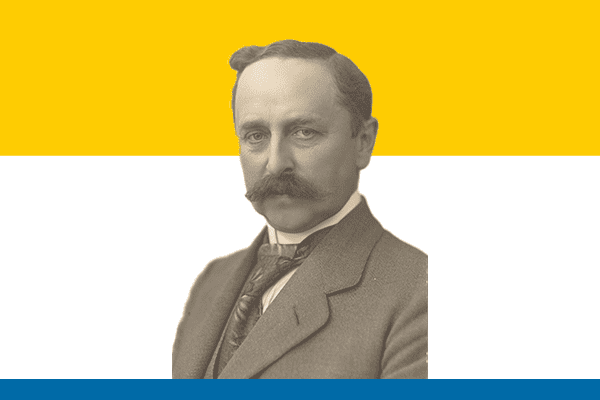
Early Life and Education
Nils Edén was born on August 25, 1871, in Piteå, Sweden. He pursued higher education at Uppsala University, where he studied history and political science. He quickly developed a strong interest in governance and constitutional matters. His academic work focused on Sweden’s political development, and he built a reputation as a knowledgeable historian.
Instead of limiting himself to academic pursuits, Edén actively engaged in politics. He joined the Liberal Party and worked to promote democratic values and reforms. His early experiences shaped his belief in equality, representation, and responsible governance.
Political Career
Edén steadily rose through the ranks of Swedish politics. He served as a member of the Riksdag (parliament), where he actively advocated for constitutional reform and expanded voting rights. He led the Liberal Party and positioned himself as a key figure in Sweden’s push toward democracy.
In 1917, Edén became Prime Minister during a time of social unrest and political tension. Sweden faced economic challenges and growing demands for political reform. Edén took decisive action and formed a coalition government with the Social Democrats, demonstrating his willingness to collaborate for the nation’s benefit.
Democratic Reforms
Nils Edén actively led one of the most important democratic transformations in Swedish history. His government introduced reforms that established full parliamentary democracy. He ensured that the king no longer exercised direct political power, strengthening the authority of elected representatives.
One of his most significant achievements was the introduction of universal suffrage. His government granted both men and women the right to vote, marking a major milestone in Swedish democracy. Edén worked closely with other leaders, including Hjalmar Branting, to secure these reforms.
Instead of maintaining the old system, Edén pushed forward with progressive policies that reflected the will of the people. His leadership ensured that Sweden transitioned peacefully into a more inclusive political system.
Leadership Style and Impact
Edén demonstrated a pragmatic and cooperative leadership style. He built alliances and encouraged dialogue between political groups. He actively listened to public concerns and responded with thoughtful policies.
His ability to manage change during a critical period helped prevent instability. While many European countries experienced turmoil after World War I, Sweden remained relatively stable. Edén’s leadership contributed to this stability by addressing social demands and promoting fairness.
Later Life
After stepping down as Prime Minister in 1920, Edén continued to contribute to academic and political discussions. He returned to his scholarly work and remained an influential voice in Swedish intellectual circles. His contributions to history and politics continued to shape public understanding.
He spent his later years reflecting on Sweden’s transformation and the role he played in it. He passed away on June 16, 1945, leaving behind a legacy of reform and progress.
Legacy
Nils Edén stands as one of the key architects of Swedish democracy. He actively transformed the political system and expanded citizens’ rights. His work laid the foundation for modern governance in Sweden.
Rather than preserving outdated traditions, Edén embraced change and worked to create a fairer society. His leadership demonstrated the importance of cooperation, vision, and commitment to democratic principles.
Conclusion
Nils Edén’s contributions to Sweden remain significant and enduring. He led the country through a critical transition and established democratic institutions that continue to function today. His legacy reflects his dedication to equality, representation, and responsible leadership.