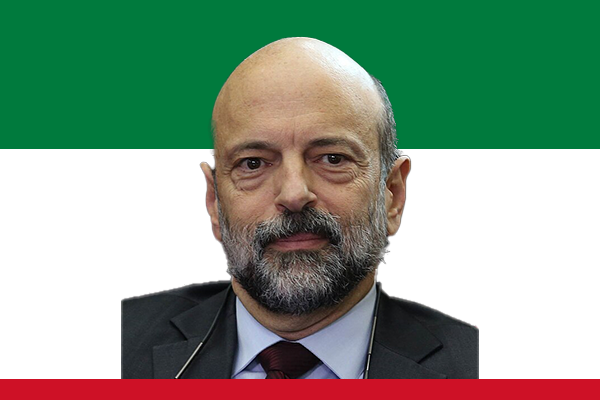
Early Life and Education
Razzaz comes from a well-educated and politically active family. His father, Munif Razzaz, was a notable Arab nationalist politician. Omar Razzaz pursued his education in the United States, earning a bachelor’s degree in electrical engineering from the Massachusetts Institute of Technology (MIT). He later obtained an MBA from Harvard University, focusing on business administration and economics. His educational background provided him with a strong foundation for his future roles in government and economic policy.
Professional Career Before Politics
Before entering formal politics, Razzaz built an extensive career in economics and international development. He worked with the World Bank, gaining valuable experience in development projects and public sector management. In Jordan, he held several key positions, including Minister of Planning and Minister of Education. His time as Minister of Education was particularly notable for emphasizing education reform and improving access to quality schooling, especially in underserved regions.
Appointment as Prime Minister
Omar Razzaz was appointed Prime Minister of Jordan on June 4, 2018, following widespread protests against a proposed income tax bill and rising living costs. King Abdullah II entrusted him with forming a government that could address public grievances, stabilize the economy, and restore trust in political institutions. Razzaz assembled a cabinet that included technocrats and experienced policymakers, aiming to balance reform with social sensitivity.
Economic Reforms and Challenges
One of the defining aspects of Razzaz’s premiership was his focus on economic reform. He faced the dual challenge of reducing public debt while maintaining social stability. His government proposed a series of economic measures, including adjustments to taxation, subsidy reforms, and policies to attract foreign investment. Razzaz emphasized transparency and sought to engage civil society in discussions about economic challenges. Despite these efforts, economic reforms met resistance due to widespread public dissatisfaction over austerity measures and slow wage growth.
Education and Social Policies
Education reform remained a central pillar of Razzaz’s leadership. He aimed to modernize Jordan’s education system, improve teacher training, and enhance vocational and technical education programs. Razzaz also promoted digital education initiatives to better prepare students for a rapidly changing job market. On social issues, he advocated for youth empowerment, gender equality, and programs to alleviate poverty, recognizing that economic development and social stability are interconnected.
Political Approach and Governance
Razzaz is often described as a pragmatic and technocratic leader. He prioritized dialogue with opposition groups, trade unions, and civil society organizations, seeking consensus on key reforms. His leadership style emphasized calm negotiation and careful policy analysis, which helped maintain stability during periods of social unrest. He navigated complex political dynamics while attempting to push forward structural reforms in Jordan’s public sector and economy.
Legacy and Impact
Although his term lasted just over two years, Razzaz left a significant impact on Jordanian governance and public policy. His tenure is remembered for prioritizing education, promoting dialogue between government and citizens, and navigating economic challenges with a steady hand. While some reforms faced resistance, his approach laid the groundwork for subsequent policy initiatives and highlighted the importance of technocratic governance in addressing complex national issues.