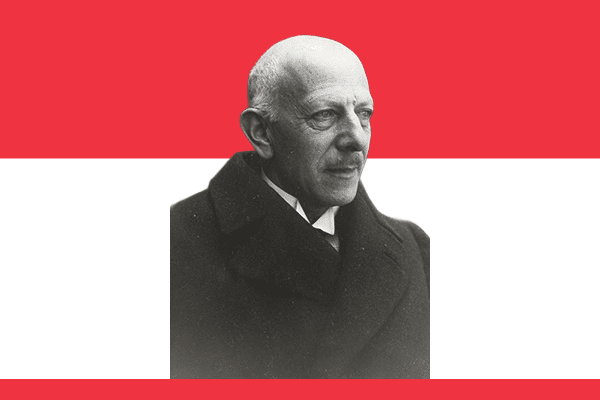
Early Life and Education
Otto Ender was born on December 24, 1875, in Altach, a town in the Austrian region of Vorarlberg. He grew up in a disciplined and hardworking family environment that encouraged education and civic responsibility. Ender studied law at the University of Innsbruck, where he developed a strong understanding of legal systems and public administration.
After completing his education, he worked as a lawyer and quickly gained recognition for his intelligence and professionalism. His legal background strengthened his political career because it allowed him to understand constitutional matters and government structures in depth.
Entry into Politics
Otto Ender entered politics through the Christian Social Party, one of Austria’s most influential political organizations during that period. He focused on regional development and public welfare, which helped him gain support among citizens. In 1918, he became the Governor of Vorarlberg, a position he held for many years.
As governor, Ender actively promoted economic growth, infrastructure development, and administrative reforms. He worked closely with local communities and encouraged cooperation between regional authorities and the central government. His practical leadership style made him popular in Vorarlberg and strengthened his national reputation.
Chancellor of Austria
In 1930, Otto Ender became Chancellor of Austria. Although his term lasted less than a year, he faced several important challenges during his leadership. Austria struggled with economic problems caused by the Great Depression, political conflicts, and growing social tensions.
Ender actively worked to stabilize the government and improve the economy. He encouraged financial reforms and supported policies aimed at reducing unemployment and restoring public confidence. Despite his efforts, political disagreements within Austria made governance extremely difficult.
His government eventually lost parliamentary support, leading to his resignation in 1931. However, Ender remained active in Austrian politics and continued contributing to public administration and constitutional affairs.
Contribution to Constitutional Reform
One of Otto Ender’s most important achievements involved constitutional reform. After leaving the chancellorship, he focused on strengthening Austria’s political system. He worked closely with government leaders to revise constitutional structures and improve administrative efficiency.
Ender believed that a stable constitution could protect Austria from political chaos and social division. His legal expertise allowed him to play a central role in drafting reforms that influenced Austrian governance during the 1930s. Although Austria later experienced authoritarian rule and political upheaval, his constitutional work remained historically significant.
Leadership Style and Values
Otto Ender demonstrated discipline, responsibility, and dedication throughout his political career. He preferred practical solutions over ideological conflicts and focused on public service rather than personal ambition. His calm leadership style helped him manage difficult political situations effectively.
He strongly valued regional identity and worked to protect the interests of Vorarlberg while supporting national unity. Instead of seeking popularity through dramatic speeches, Ender concentrated on administrative efficiency and constructive policymaking.
Legacy and Historical Importance
Otto Ender left a lasting impact on Austrian politics through his contributions to governance and constitutional reform. Historians recognize him as a thoughtful statesman who tried to guide Austria through a difficult historical period. His leadership in Vorarlberg and his role as Chancellor demonstrated his commitment to stability and public welfare.
Although his time as Chancellor was brief, Ender’s influence extended beyond his administration. His efforts to modernize government structures and strengthen constitutional principles helped shape Austria’s political development.
Conclusion
Otto Ender played an important role in Austrian history as a lawyer, governor, chancellor, and constitutional reformer. Through active leadership and dedication to public service, he contributed significantly to Austria’s political and administrative growth. His legacy continues to reflect the importance of responsible governance, constitutional stability, and practical leadership during challenging times.