Mr. Otto Liebe
In Office: 30 March 1920 – 5 April 1920
Political Party: Independent
Home State: Copenhagen
Lifespan: 1860–1929
Country: Denmark
Image credits available here.
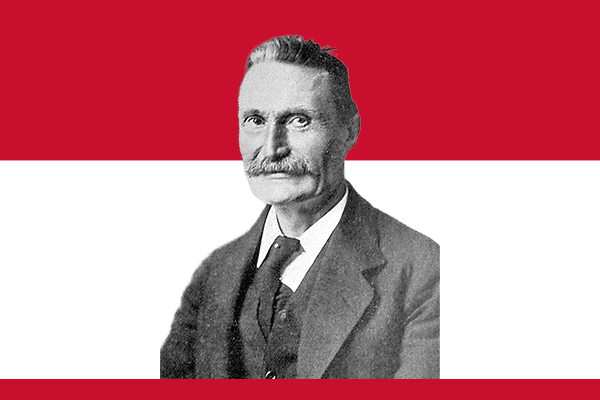
Early Life and Education
Otto Liebe was born on May 24, 1860, in Copenhagen, Denmark. He grew up in an educated and respected family that valued learning and civic responsibility. From a young age, he showed a strong interest in law and government.
He studied law at the University of Copenhagen and earned his degree with distinction. After completing his education, he worked as a lawyer and quickly gained recognition for his intelligence and legal expertise. His legal career helped him build a strong reputation in Denmark’s political and judicial circles.
Career in Law and Public Service
Before entering national politics, Otto Liebe focused mainly on his legal profession. He served in important legal positions and became known for his disciplined and balanced approach to justice. Many political leaders respected his understanding of constitutional law and governance.
Liebe also worked closely with government officials and advised on legal matters affecting the Danish state. His professional achievements earned him public trust and prepared him for future leadership roles.
Becoming Prime Minister
In 1920, Denmark faced a major political crisis known as the Easter Crisis. King Christian X dismissed the elected government led by Carl Theodor Zahle because of disagreements regarding the Schleswig region. The king then appointed Otto Liebe as Prime Minister to form a new government.
Liebe accepted the position during a highly tense political atmosphere. Many Danish citizens and political parties viewed the king’s decision as a threat to democracy. Large protests and public criticism quickly emerged across the country.
As Prime Minister, Otto Liebe tried to restore order and stability. However, opposition leaders strongly resisted his government because they believed it lacked democratic legitimacy. Due to mounting pressure, his government resigned after only a few days in office.
The Easter Crisis and Its Importance
Although Otto Liebe served for a very short period, his role during the Easter Crisis remains historically significant. The crisis marked an important turning point in Danish constitutional history. It clarified that future Danish governments must have parliamentary support rather than rely solely on royal authority.
Liebe did not attempt to establish authoritarian control. Instead, he worked carefully within the legal framework of the country. His actions helped Denmark move toward stronger parliamentary democracy and reduced political tensions during a dangerous constitutional conflict.
Personal Qualities and Leadership
Otto Liebe was known for his professionalism, intelligence, and calm personality. He approached political problems with legal reasoning rather than emotional reactions. Many people admired his honesty and sense of duty.
Even though his government lasted only briefly, he handled a difficult situation with dignity and responsibility. He focused on maintaining national stability rather than pursuing personal political ambitions.
Later Life
After resigning as Prime Minister, Otto Liebe returned to legal and public service work. He stayed respected within Denmark’s legal community and continued contributing to national affairs in quieter roles.
He lived away from major political conflicts during his later years. Otto Liebe passed away on March 21, 1929. Despite his short political leadership, historians continue to remember him because of his involvement in one of Denmark’s most important constitutional events.
Legacy
Otto Liebe’s legacy connects closely with Denmark’s democratic development. His brief time as Prime Minister highlighted the importance of parliamentary governance and constitutional balance. The Easter Crisis ultimately strengthened Danish democracy and clarified the limits of royal power.
Today, historians study Otto Liebe as a key figure in a turning point of Danish political history. His calm leadership and legal expertise helped Denmark navigate a serious constitutional challenge peacefully.