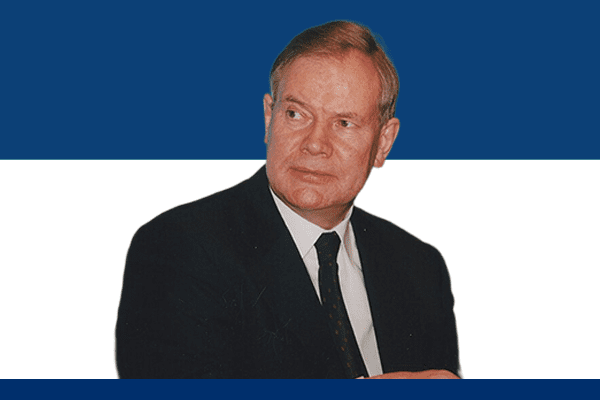
Early Life and Education
Paavo Lipponen was born on April 23, 1941, in Turtola, Finland. He spent much of his childhood in different parts of Finland because of his family’s movements during difficult wartime conditions. These early experiences helped him understand the social and economic challenges faced by ordinary citizens.
Lipponen studied at Dartmouth College in the United States and later completed his education at the University of Helsinki. His academic background in political science and international relations gave him a broad understanding of global politics. Instead of limiting himself to theory, he actively participated in student politics and public discussions, which strengthened his interest in national leadership.
Entry into Politics
Paavo Lipponen joined the Social Democratic Party of Finland and quickly became an active member of Finnish politics. He worked as a political secretary and advisor before entering Parliament in 1983. His strong communication skills and deep understanding of foreign affairs helped him gain respect among political leaders.
During the 1980s and early 1990s, Lipponen focused on strengthening Finland’s international relationships. He supported cooperation with European countries and encouraged Finland to play a larger role in global affairs. His practical approach and calm leadership style attracted broad political support.
Prime Minister of Finland
In 1995, Paavo Lipponen became the Prime Minister of Finland. He led a coalition government and focused on improving the country’s economy after a severe recession in the early 1990s. Instead of relying on short-term solutions, he introduced long-term economic reforms that encouraged stability and growth.
Under Lipponen’s leadership, Finland joined the European Union more actively and adopted the euro currency in 1999. He strongly believed that European cooperation would strengthen Finland’s economy and international influence. His government promoted modernization, technological innovation, and investment in education.
During his time as prime minister, Finland became internationally known for advancements in technology and telecommunications. Companies like Nokia gained global success, contributing to Finland’s economic growth. Lipponen’s government also improved infrastructure, public services, and employment opportunities.
Leadership Style and Achievements
Paavo Lipponen became known for his disciplined and determined leadership style. He encouraged cooperation among political parties and worked to maintain stability within coalition governments. Rather than creating unnecessary political conflicts, he focused on practical solutions and national progress.
His government supported environmental protection, social welfare, and equal opportunities for citizens. Lipponen also strengthened Finland’s reputation as a stable and modern European democracy. International leaders respected him for his diplomatic approach and commitment to cooperation.
One of his major achievements involved guiding Finland through economic recovery while maintaining strong social welfare policies. He balanced economic reforms with social responsibility, ensuring that citizens benefited from national progress.
Later Career and Influence
After serving as prime minister until 2003, Lipponen continued his political career as the Speaker of the Finnish Parliament. He remained active in European and international discussions even after stepping away from top political leadership.
His influence on Finnish politics continued through his writings, speeches, and public appearances. Many political analysts consider him one of the key architects of modern Finland’s European identity.
Conclusion
Paavo Lipponen played a major role in transforming Finland into a modern, economically stable, and internationally respected nation. Through active leadership, economic reforms, and support for European cooperation, he helped guide Finland into a new era of growth and stability. His political legacy continues to influence Finnish society and governance today.