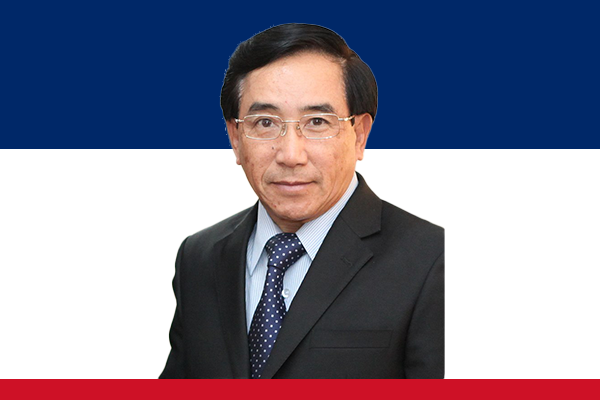
Early Life and Education
Phankham Viphavanh was born on April 13, 1951, in Houaphanh Province, Laos. His early education took place in local schools before he pursued higher studies in the Soviet Union, a path taken by many Laotian politicians of his generation. He developed a strong foundation in political science and public administration, which later guided his career in the Lao People’s Revolutionary Party (LPRP) and the government.
Political Career and Rise
Phankham’s political career began in the party’s youth organizations, where he quickly distinguished himself through dedication and organizational skills. Over the decades, he held numerous positions within the LPRP and the government, reflecting a steady rise based on competence and loyalty. By the early 2000s, he became a prominent figure in national policy-making circles, particularly in economic planning and foreign affairs.
Vice Presidency and Ministerial Roles
Before assuming the office of Prime Minister, Phankham served as the Vice President of Laos from April 2016 to March 2021. During his tenure, he focused on promoting socio-economic development, rural infrastructure, and education. He also contributed to strengthening Laos’ international relationships, particularly within ASEAN and with neighboring countries like Vietnam, China, and Thailand. His ministerial and leadership roles prepared him for the top executive position by providing practical governance experience and strategic insight.
Prime Ministership
Phankham Viphavanh became the Prime Minister of Laos in March 2021, succeeding Thongloun Sisoulith, who moved on to the presidency. As Prime Minister, he is tasked with leading Laos through a period of economic modernization, environmental sustainability, and post-pandemic recovery. His government has emphasized attracting foreign investment, improving infrastructure, and promoting industrialization while maintaining the country’s socialist framework.
Economic and Social Policies
Under Phankham’s leadership, the Lao government has focused on economic diversification and resilience. Initiatives include expanding hydroelectric power projects, supporting agriculture modernization, and fostering tourism to boost revenues. Social policies under his administration aim to improve healthcare access, education quality, and rural development. Viphavanh emphasizes poverty reduction and equitable growth, seeking to balance rapid development with social welfare.
Foreign Relations and Regional Influence
Phankham Viphavanh’s tenure has strengthened Laos’ diplomatic engagement, particularly within ASEAN and with key partners such as China and Vietnam. He advocates for regional cooperation in trade, security, and sustainable development. His government also navigates the complexities of regional infrastructure projects, including the China-Laos railway, balancing economic benefits with environmental and social considerations.
Leadership Style and Vision
Phankham is known for a pragmatic and collaborative leadership style. He emphasizes consensus-building within the party and government institutions while promoting efficiency and accountability. His vision for Laos centers on modernization, economic self-reliance, and increased international presence, positioning the country for long-term growth while preserving its cultural and political heritage.
Legacy and Future Prospects
Although his tenure is still ongoing, Phankham Viphavanh has established himself as a steady and reliable leader. Analysts note his careful approach to reform, gradual economic opening, and focus on sustainable development. His leadership is expected to continue guiding Laos toward stability and growth in the years ahead, with a strong emphasis on social equity and regional cooperation.