Mr. Phetsarath Ratanavongsa
In Office: 21 August 1941 – 10 October 1945
Political Party: Non-partisan
Home State: Luang Prabang
Lifespan: 1890–1959
Country: Laos
Image credits available here.
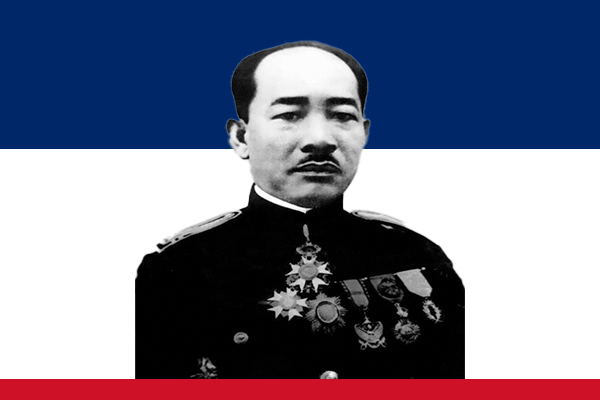
Early Life and Education
Phetsarath Ratanavongsa was born in 1890 into the Lao royal family of Luang Prabang. His elite background allowed him access to advanced education, including studies in French institutions during the colonial era. This exposure shaped his political outlook. He gained a strong understanding of Western administrative systems while remaining deeply committed to Lao traditions, culture, and sovereignty. His education enabled him to bridge the gap between traditional Lao leadership and modern state administration.
Rise in Administration
Before becoming prime minister, Phetsarath served in several key administrative roles under the French colonial framework. He rose to prominence as a highly capable civil servant and eventually became the first Lao to hold the position of Oupahat (Viceroy) of Luang Prabang. In this role, he initiated important reforms aimed at unifying Lao provinces, strengthening central administration, and promoting the Lao language in official use. These reforms enhanced national consciousness among the Lao people.
Role as Prime Minister
During World War II and its aftermath, Laos faced immense political uncertainty. Phetsarath emerged as a leading nationalist figure advocating for Lao self-determination. As Prime Minister, he opposed the restoration of full French colonial control after the war. He supported the declaration of Lao independence in 1945 and played a central role in the Lao Issara (Free Laos) movement. His leadership symbolized resistance against foreign domination and inspired a new generation of Lao nationalists.
Exile and Continued Influence
Following the collapse of the Lao Issara government, Phetsarath went into exile in Thailand. Despite being physically absent from Laos, his ideas and influence remained strong. He continued to inspire nationalist movements and political leaders who sought greater autonomy and unity for Laos. Even in exile, he maintained moral authority as a symbol of national resistance and reformist vision.
Return and Later Years
In the late 1950s, political reconciliation allowed Phetsarath to return to Laos. Although he did not regain executive power, his return was significant. It represented national acknowledgment of his role in shaping modern Lao political thought. He spent his later years advising leaders and reflecting on the country’s future amid Cold War tensions and internal political divisions.
Legacy and Historical Significance
Phetsarath Ratanavongsa is remembered as the father of Lao nationalism. His commitment to administrative reform, national unity, and independence set him apart as a visionary leader. He successfully combined respect for monarchy with progressive ideas of statehood and sovereignty. Modern Laos continues to honor his contributions through public remembrance and historical scholarship.
Conclusion
Prime Minister Phetsarath Ratanavongsa played a decisive role in Laos’ transition from colonial dependency to national self-awareness. His leadership during turbulent times, dedication to reform, and unwavering belief in Lao independence secured his place as one of the most important figures in the nation’s modern history.