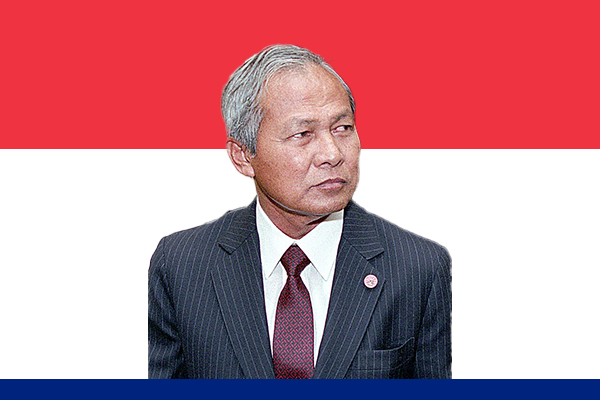
Early Life and Military Career
Prem Tinsulanonda was born on August 26, 1920, in Songkhla Province, Thailand. He pursued a military education and joined the Royal Thai Army at a young age. Through discipline and dedication, he built a strong military career and earned respect among his peers. Prem demonstrated professionalism and loyalty to national institutions, qualities that later defined his political leadership. His military background helped him understand national security challenges and maintain close coordination between civilian and military authorities.
Entry into Politics
Prem entered politics during a time of frequent coups and fragile governments in Thailand. He first served in ministerial roles, where he gained experience in administration and policy-making. Political leaders and the monarchy trusted him for his integrity and non-partisan approach. In 1980, the King appointed Prem Tinsulanonda as Prime Minister, marking the beginning of an era known for relative stability and pragmatic governance.
Leadership as Prime Minister
As Prime Minister, Prem Tinsulanonda actively strengthened democratic institutions while maintaining harmony with the military. He refused to rely on populist tactics and instead focused on long-term national interests. Prem led coalition governments with patience and balance, allowing different political groups to cooperate rather than clash. His leadership style emphasized moral authority rather than personal power.
He also successfully survived several coup attempts by maintaining loyalty within the armed forces and demonstrating unwavering commitment to constitutional order. Prem’s ability to manage political tensions helped Thailand avoid prolonged instability during the 1980s.
Economic and Social Policies
Prem Tinsulanonda guided Thailand toward economic growth by promoting export-led development and encouraging foreign investment. His government supported infrastructure development, industrial expansion, and rural improvement programs. These policies contributed to steady economic progress and laid the foundation for Thailand’s rapid growth in the following decade.
In social governance, Prem focused on unity and national reconciliation. He promoted policies that reduced ideological conflict, particularly by integrating former communist insurgents back into society. This approach significantly improved internal security and strengthened national cohesion.
Commitment to Integrity and the Monarchy
Prem Tinsulanonda earned widespread respect for his honesty and modest lifestyle. He avoided corruption and set a high ethical standard for public office. His close relationship with the monarchy reinforced political stability, as he consistently acted to protect constitutional principles and national unity. After stepping down as Prime Minister in 1988, Prem continued to serve the nation as President of the Privy Council, further influencing Thailand’s political direction.
Legacy and Historical Significance
Prime Minister Prem Tinsulanonda left a legacy of stability, integrity, and balanced leadership. He demonstrated that Thailand could achieve progress without authoritarianism or chaos. Historians often describe his era as a bridge between military dominance and democratic development. Prem’s leadership continues to inspire respect across political lines, and his contribution remains central to Thailand’s modern political history.
Conclusion
Prem Tinsulanonda led Thailand with wisdom, restraint, and dedication to national unity. His active leadership strengthened democracy, stabilized governance, and encouraged sustainable development. As Prime Minister, he proved that integrity and consensus-based leadership could guide a nation through challenging times and leave an enduring legacy.