Mr. Qohir Rasulzoda
Assumed Office: 23 November 2013 – Incumbent
Political Party: People’s Democratic
Home State: Khujand
Lifespan: born 1961
Country: Tajikistan
Image credits available here.
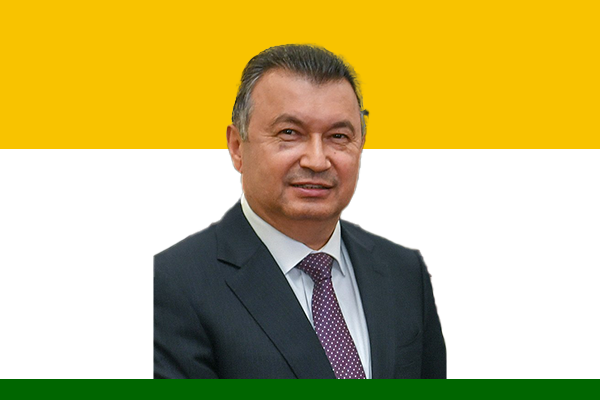
Early Life and Education
Qohir Rasulzoda was born on March 8, 1961, in Tajikistan. From an early age, he showed interest in technical and administrative fields, which later shaped his professional career. He pursued higher education in engineering and economics, gaining skills that would later support his work in government planning and management. His academic background helped him develop a practical and problem-solving approach to governance, especially in sectors related to construction, industry, and public services.
Entry into Public Service
Rasulzoda began his career in technical and managerial roles, working in construction and industrial administration. His early professional life allowed him to understand grassroots-level challenges, including infrastructure needs, urban planning, and resource management. Due to his efficiency and organizational skills, he gradually moved into government service, where he took on increasing responsibilities within state institutions. These formative years helped him build a reputation as a disciplined and capable administrator.
Rise in Government and Political Career
Before becoming Prime Minister, Qohir Rasulzoda held several important positions within the government of Tajikistan. He served as Chairman of the State Committee for Construction and Architecture and later worked as a deputy prime minister. In these roles, he oversaw major infrastructure projects, housing programs, and urban development initiatives. His performance in these offices demonstrated his ability to manage large-scale projects and coordinate between ministries, which ultimately led to his appointment as Prime Minister in November 2013.
Role as Prime Minister
As Prime Minister, Qohir Rasulzoda has been responsible for implementing the policies set by the President and ensuring the effective functioning of the government. He supervises economic planning, budget execution, industrial growth, and social development programs. Under his leadership, the government has emphasized energy security, road connectivity, hydropower development, and regional trade. Rasulzoda has also focused on improving public administration and strengthening state institutions to support long-term stability.
Economic and Development Policies
Economic development has remained a central priority during Rasulzoda’s tenure. He has supported policies aimed at boosting domestic production, attracting investment, and reducing dependency on imports. Infrastructure development, especially in transportation and energy, has been a major focus area. Large hydropower projects and improved road networks have been promoted to enhance economic self-reliance and regional integration. His pragmatic leadership style reflects an emphasis on gradual growth and state-led development.
Governance and Administrative Style
Qohir Rasulzoda is widely regarded as a disciplined and methodical leader. Rather than relying on political rhetoric, he emphasizes planning, coordination, and execution. His background in engineering and management influences his approach to governance, making him results-oriented and detail-focused. He often stresses accountability within government departments and encourages efficiency in public service delivery.
Legacy and Significance
Prime Minister Qohir Rasulzoda’s long service reflects continuity and stability in Tajikistan’s political system. His leadership has contributed to sustained government functioning during periods of economic challenge and regional change. While he operates largely within the framework set by the presidency, his role in administration and development planning remains crucial. Rasulzoda continues to be a central figure in shaping Tajikistan’s domestic policies and development trajectory.
Conclusion
Qohir Rasulzoda stands as an important administrator and leader in modern Tajikistan. Through his experience, technical expertise, and steady leadership, he has played a significant role in guiding the country’s government and supporting national development goals. His tenure as Prime Minister highlights the importance of administrative competence and continuity in a developing state.