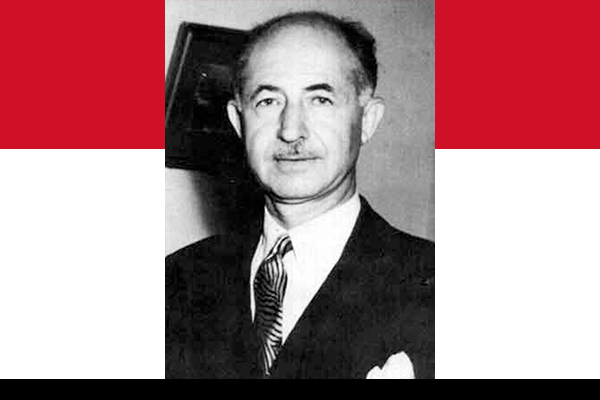
Early Life and Political Awakening
Saadallah al-Jabiri was born in 1893 in Aleppo, a city known for its strong tradition of political awareness and resistance. From an early age, he became deeply involved in nationalist movements opposing Ottoman decline and later French domination. His education and exposure to Arab intellectual circles shaped his belief in unity, independence, and democratic principles. During the French Mandate period, al-Jabiri emerged as a prominent voice demanding full independence for Syria.
Role in the Struggle for Independence
Al-Jabiri gained national recognition as a leading member of the National Bloc, the political organization that led Syria’s peaceful resistance against French rule. He actively participated in negotiations, protests, and political campaigns aimed at ending foreign control. His leadership during the 1936 Franco-Syrian Treaty negotiations demonstrated his diplomatic skill and firm commitment to Syrian sovereignty. Although the treaty faced obstacles, it strengthened nationalist unity and brought Syria closer to independence.
Tenure as Prime Minister
Saadallah al-Jabiri served as Prime Minister of Syria several times during the 1940s. His leadership coincided with a turbulent era marked by World War II, political transitions, and the final withdrawal of French forces. As Prime Minister, he focused on strengthening state institutions, defending parliamentary democracy, and maintaining national unity. Al-Jabiri believed that Syria’s stability depended on constitutional rule rather than military dominance.
Leadership Style and Political Vision
Al-Jabiri was known for his calm demeanor, moral authority, and unwavering principles. Unlike many leaders of his time, he rejected authoritarianism and strongly supported civil liberties. He advocated cooperation among Syria’s diverse communities and emphasized the importance of dialogue over force. His political vision centered on an independent Syria that respected the rule of law and played an active role in Arab affairs.
Contribution to Arab Nationalism
Beyond Syria, Saadallah al-Jabiri was a respected figure in the wider Arab world. He supported Arab unity and cooperation, especially during the early years of the Arab League. His speeches and policies reflected a belief that Arab nations should work together to protect their independence and cultural identity. Al-Jabiri’s influence extended beyond borders, earning him recognition as a statesman committed to collective Arab progress.
Later Years and Legacy
In his later years, al-Jabiri gradually withdrew from frontline politics but remained a symbol of integrity and patriotism. He passed away in 1947, leaving behind a legacy rooted in democratic values and national dignity. Today, he is remembered as one of Syria’s founding political figures who placed the nation’s interests above personal ambition.
Conclusion
Saadallah al-Jabiri’s contribution to Syrian history lies not only in his role as Prime Minister but also in his lifelong dedication to independence, democracy, and Arab unity. His leadership during Syria’s formative years helped shape the country’s political identity and continues to inspire those who value principled governance and national sovereignty.