Mr. Saitō Makoto
In Office: 26 May 1932 – 8 July 1934
Political Party: Military
Home State: Mizusawa Domain
Lifespan: 1858–1936
Country: Japan
Image credits available here.
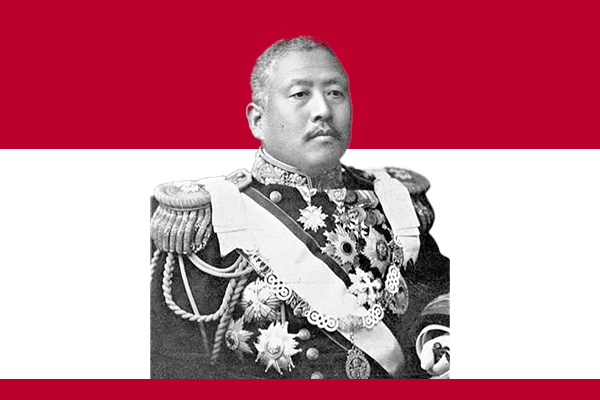
Early Life and Naval Career
Saitō Makoto was born on October 27, 1858, in the Fukushima domain of Japan. He grew up during the Meiji Restoration, a period when Japan experienced rapid modernization and westernization. Saitō embraced education early and joined the Imperial Japanese Navy, where he demonstrated exceptional skill and discipline. His naval career flourished because he worked hard, learned modern naval tactics, and built a reputation for leadership and loyalty.
As a young officer, Saitō participated in significant military operations, where he gained practical experience in command. His dedication and competence earned him promotions, eventually making him a leading figure in Japan’s naval administration.
Rise in Political and Administrative Roles
The Japanese government recognized Saitō’s abilities and entrusted him with critical administrative responsibilities. In 1906, they appointed him as the Governor-General of Korea. He handled this role with a balanced approach, focusing on administration, infrastructure, and governance reforms. Under his leadership, the colonial government expanded railways, improved communication systems, and tried to maintain order.
Saitō also worked closely with the central government in Tokyo. He implemented policies designed to integrate Korea into the Japanese Empire while reducing conflicts between the colonial administration and local communities. His administrative style combined firmness with diplomacy, which allowed him to manage tensions more effectively than some of his predecessors.
Appointment as Prime Minister
In 1932, after the assassination of Prime Minister Inukai Tsuyoshi, Japan faced a political crisis. The government needed a leader who could stabilize the nation and manage growing military influence in politics. The Emperor and senior officials turned to Saitō Makoto because of his administrative experience and reputation for impartiality.
Saitō accepted the responsibility and became Prime Minister on May 26, 1932. As Prime Minister, he focused on restoring public confidence in the government, balancing civilian authority with military demands, and guiding Japan through a turbulent international environment.
Policies and Governance
Saitō’s cabinet worked hard to strengthen Japan’s economy during the global depression. They introduced policies to promote trade, improve industrial output, and stabilize prices. Saitō also supported moderate diplomacy in East Asia. While the military pushed for aggressive expansion, he tried to maintain a careful balance between international cooperation and Japan’s strategic interests.
Domestically, his government encouraged infrastructure development, expanded education, and supported social reforms. Saitō believed that modernizing the nation required both industrial strength and social stability.
Challenges and Resignation
Despite his efforts, Saitō faced increasing pressure from ultranationalist groups and the military, which sought greater control over the government. In 1934, political controversies and military dissatisfaction forced him to resign. He stepped down on July 8, 1934, ending his two-year tenure as Prime Minister.
Assassination and Legacy
On February 26, 1936, during the infamous February 26 Incident led by radical military officers, assassins killed Saitō Makoto. His death shocked the nation because he symbolized moderate leadership during an era of rising militarism.
Saitō’s legacy remains significant in Japanese history. People remember him as a naval officer, colonial administrator, and Prime Minister who tried to balance modernization, diplomacy, and national interests during one of Japan’s most challenging periods.