Mr. Salman
In Office: 23 January 2015 – 27 September 2022
Political Party: League of Arab States
Home State: Riyadh
Lifespan: born 1935
Country: Saudi Arabia
Image credits available here.
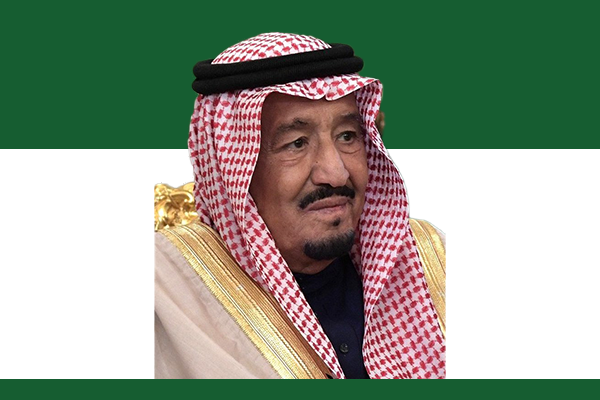
Early Life and Formation of Leadership
King Salman was born in 1935 in Riyadh into the ruling Al Saud family. From an early age, he received a traditional Islamic education alongside modern administrative training. He did not merely inherit political understanding; he actively cultivated it through years of public service. His early exposure to governance helped him develop discipline, institutional respect, and a deep sense of responsibility toward the Kingdom.
Governor of Riyadh: Building Administrative Excellence
Before becoming king, Salman bin Abdulaziz served as Governor of Riyadh for nearly five decades. During this time, he transformed Riyadh from a modest city into a modern capital. He actively supervised urban planning, infrastructure development, and social institutions. Rather than allowing growth to occur without direction, he coordinated government agencies, encouraged private investment, and ensured balanced development. His leadership in Riyadh established his reputation as a capable and pragmatic administrator.
Ascension to the Throne
In 2015, King Salman assumed the throne following the passing of King Abdullah. From the outset, he took firm control of state affairs. He reorganized government structures, streamlined ministries, and reinforced accountability. By doing so, he ensured that decision-making processes became more efficient and responsive to national priorities.
Governance and Institutional Reforms
King Salman actively strengthened Saudi Arabia’s governing institutions. He emphasized the rule of law, modern administration, and effective coordination among state bodies. He restructured the Council of Ministers and empowered specialized councils to oversee economic and security affairs. Through these actions, he reinforced stability while preparing the Kingdom for long-term transformation.
Economic Vision and Development
Under King Salman’s leadership, Saudi Arabia moved decisively toward economic diversification. He supported ambitious reforms designed to reduce dependence on oil revenues and expand sectors such as tourism, infrastructure, and technology. Rather than delaying difficult decisions, he endorsed bold economic planning and encouraged innovation. His leadership laid the foundation for a more resilient and sustainable national economy.
Foreign Policy and Regional Role
King Salman has played a decisive role in shaping Saudi Arabia’s foreign policy. He strengthened alliances, defended national interests, and positioned the Kingdom as a key regional power. By actively engaging with global leaders and international institutions, he ensured that Saudi Arabia maintained diplomatic influence while safeguarding its security and sovereignty.
Social and Cultural Leadership
While respecting tradition, King Salman supported gradual social development. He promoted education, cultural preservation, and social welfare programs. Instead of allowing social change to occur without guidance, he balanced modernization with Saudi Arabia’s religious and cultural identity. His approach reinforced national unity and social stability.
Legacy and Historical Significance
King Salman bin Abdulaziz Al Saud will be remembered as a leader who combined experience with decisive action. He did not merely oversee Saudi Arabia during a period of change; he actively shaped its direction. Through governance reforms, economic planning, and diplomatic leadership, he strengthened the Kingdom’s foundations for future generations.
Conclusion
King Salman’s leadership reflects commitment, vision, and responsibility. By transforming passive administration into active governance, he has left a lasting mark on Saudi Arabia’s political, economic, and social landscape. His legacy continues to influence the Kingdom’s path toward stability, progress, and global engagement.