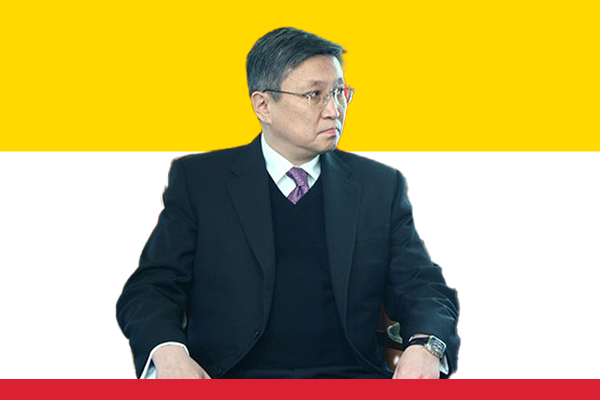
Mr. Sanjiin Bayar
In Office: 22 November 2007 – 29 October 2009
Political Party: MPRP
Home State: Ulaanbaatar
Lifespan: born 1956
Country: Mongolia
Image credits available here.
Early Life and Education
Sanjiin Bayar was born on March 4, 1956, in Ulaanbaatar, the capital city of Mongolia. He grew up during the socialist period, when Mongolia had close ties with the Soviet Union. Bayar showed strong academic abilities from a young age. He later studied law at Mongolia’s State University, where he gained knowledge about legal systems and governance.
His education played a crucial role in shaping his future political career. His understanding of law and politics helped him become an effective leader and decision-maker.
Early Political Career
Sanjiin Bayar began his political career in government institutions, working in foreign relations and public administration. He gained valuable experience by serving in diplomatic and government roles. Over time, he became a respected member of the Mongolian People’s Party, one of the country’s oldest and most influential political parties.
His leadership abilities and loyalty to the party helped him rise quickly through the ranks. He later became the General Secretary and then the Chairman of the party, which strengthened his political influence.
Becoming Prime Minister
In November 2007, Sanjiin Bayar was appointed as the Prime Minister of Mongolia. His appointment came at a time when Mongolia was experiencing rapid economic growth due to its mining sector, especially copper and gold resources.
As Prime Minister, Bayar focused on improving Mongolia’s economy and maintaining political stability. He worked to attract foreign investment, which was important for developing Mongolia’s mining industry. His government aimed to use natural resources to improve the country’s infrastructure, education, and public services.
Major Achievements
One of Bayar’s major achievements was strengthening Mongolia’s international relations. He helped Mongolia build friendly ties with many countries, including Russia, China, and Western nations. His diplomatic efforts helped Mongolia maintain balanced foreign relations.
He also played a key role in negotiating important mining agreements that supported Mongolia’s economic growth. These agreements helped increase government revenue and created new opportunities for development.
In addition, Bayar worked to maintain political stability during challenging times. Mongolia faced political tensions and protests during his leadership, but he helped guide the country through these difficulties.
Resignation and Later Life
In October 2009, Sanjiin Bayar resigned from his position as Prime Minister due to health reasons. His resignation marked the end of his leadership, but his influence on Mongolian politics remained important.
After resigning, he stayed involved in political and public affairs. However, he also faced legal challenges later in his career. Despite this, he continues to be remembered as a significant political figure in Mongolia’s modern history.
Legacy and Conclusion
Sanjiin Bayar’s leadership came during an important period in Mongolia’s development. He helped guide the country through economic growth and political change. His efforts to strengthen foreign relations and develop Mongolia’s economy had a lasting impact.
Bayar is remembered as a skilled politician, diplomat, and leader who played a key role in Mongolia’s transition into a modern democratic nation. His contributions continue to be studied by those interested in Mongolian politics and leadership.