Mr. Sapar Isakov
In Office: 26 August 2017 – 19 April 2018
Political Party: Social Democratic Party
Home State: Bishkek
Lifespan: born 1977
Country: Kyrgyzstan
Image credits available here.
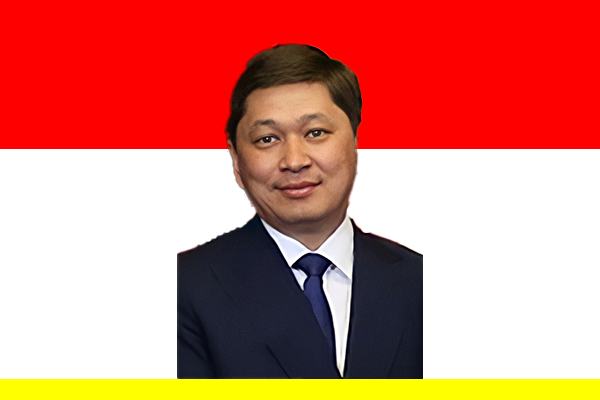
Early Life and Education
Sapar Dzhumabekovich Isakov was born on 29 July 1977 in Frunze, now Bishkek, the capital of Kyrgyzstan. He grew up during the final years of the Soviet Union and came of age in a newly independent Kyrgyz state, a context that shaped his political outlook. Isakov pursued higher education in economics and public administration, building a foundation that later supported his entry into government service. From an early stage, he was regarded as technically competent and ambitious, qualities that helped accelerate his political career.
Entry into Politics
Isakov began working in government structures in the early 2000s, gradually moving through administrative and advisory roles. His rise became particularly notable after the 2010 political upheaval in Kyrgyzstan, which reshaped the country’s power structure. He gained prominence as a close associate of President Almazbek Atambayev, serving in key positions within the presidential administration. This proximity to the president placed Isakov among a new generation of officials who projected an image of modernization, efficiency, and reform.
Appointment as Prime Minister
In August 2017, Sapar Isakov was appointed Prime Minister of Kyrgyzstan. At the time, he was among the youngest heads of government in the country’s history. His appointment was seen as a continuation of President Atambayev’s political line and a signal of generational change within the leadership. Isakov presented himself as a reform-minded technocrat focused on economic development, infrastructure modernization, and improvements in public administration.
Policies and Governance
During his tenure, Isakov emphasized digitalization of government services, investment in energy infrastructure, and efforts to improve the business climate. He supported initiatives aimed at reducing bureaucratic inefficiency and promoting transparency. However, his time in office was relatively short, lasting less than a year, which limited the scope and impact of his reforms. Critics argued that despite reformist rhetoric, entrenched political interests and institutional weaknesses continued to hinder meaningful change.
Political Transition and Removal
Isakov’s premiership coincided with a sensitive political transition as President Atambayev prepared to step down and hand power to his chosen successor. After the presidential transition, Isakov lost political backing. In April 2018, he was dismissed from the post of prime minister following a vote of no confidence in parliament. This marked the beginning of a sharp reversal in his political fortunes.
Legal Troubles and Conviction
Following his removal, Isakov became the subject of criminal investigations related to major state projects, particularly in the energy sector. He was accused of corruption and abuse of office connected to the modernization of a power plant in Bishkek. Courts later convicted him, and he received a lengthy prison sentence. The case was highly politicized, with supporters claiming it reflected political retribution, while critics viewed it as a necessary step in addressing high-level corruption.
Legacy and Significance
Sapar Isakov’s political career is often cited as one of the most dramatic rises and falls in modern Kyrgyz politics. As prime minister, he symbolized a younger, technocratic leadership style, but his downfall highlighted the volatility of political alliances and the risks of concentrated power. His story underscores broader themes in Kyrgyzstan’s political life, including fragile institutions, elite rivalries, and the ongoing struggle between reform efforts and entrenched interests.
Conclusion
Although his time as prime minister was brief, Sapar Isakov remains a significant figure in Kyrgyzstan’s recent political history. His career reflects both the hopes for modernization and the persistent challenges of governance in a transitional political system.