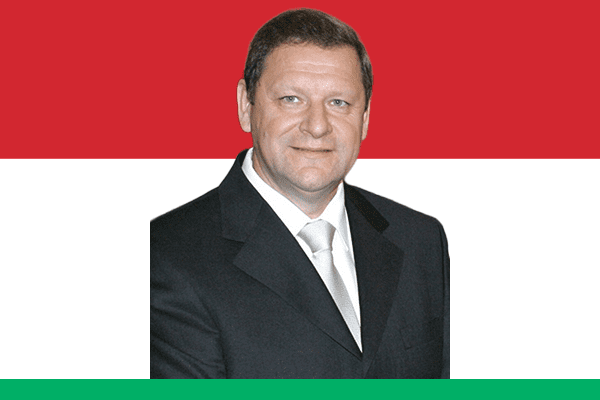
Early Life and Education
Sergei Sidorsky was born on March 13, 1954, in Gomel, Belarus, which was then part of the Soviet Union. From an early age, he showed interest in engineering and technical studies. He pursued higher education at the Belarusian Polytechnic Institute, where he specialized in electrical engineering.
After completing his education, Sidorsky began his professional career in the industrial sector. He worked in several engineering and management positions, gaining valuable experience in manufacturing and industrial production. His technical background later helped him make practical economic decisions as a government leader.
Rise in Politics
Sergei Sidorsky entered public service through his work in industry and state administration. He earned recognition for his organizational abilities and leadership qualities. In the 1990s, he held important positions in Belarus’s industrial and energy sectors.
He served as the Minister of Energy and later became Deputy Prime Minister. In these roles, he managed energy policies and supported industrial growth. His success in government administration increased his influence in Belarusian politics.
In 2003, President Alexander Lukashenko appointed Sidorsky as Prime Minister of Belarus. He replaced Gennady Novitsky and took charge of the country’s economic management during an important period of development.
Leadership as Prime Minister
As Prime Minister, Sergei Sidorsky focused strongly on economic stability and industrial expansion. He encouraged modernization in factories, promoted exports, and strengthened trade partnerships. Under his leadership, Belarus maintained steady economic growth for several years.
Sidorsky worked closely with Russia on energy and trade agreements. He helped negotiate important deals involving natural gas and oil supplies, which played a vital role in Belarus’s economy. He also supported cooperation within regional economic organizations.
Unlike many political leaders who focus mainly on speeches, Sidorsky actively managed economic planning and industrial projects. He frequently visited factories and production centers to monitor progress and encourage development.
Economic Policies and Achievements
During Sidorsky’s tenure, Belarus expanded its manufacturing and agricultural sectors. The government increased investments in infrastructure, transportation, and energy production. These efforts improved industrial output and strengthened the country’s economy.
He supported state-controlled industries while also encouraging limited economic reforms. His administration aimed to balance economic stability with modernization. Although critics argued that Belarus depended too heavily on state control, supporters praised Sidorsky for maintaining economic order during difficult global conditions.
The global financial crisis of 2008 created major challenges for many countries, including Belarus. Sidorsky responded by introducing measures to stabilize the economy and protect jobs. Despite economic pressure, he worked to reduce the impact of the crisis on ordinary citizens.
Later Career and Influence
In 2010, Sergei Sidorsky stepped down as Prime Minister and was succeeded by Mikhail Myasnikovich. However, he remained active in regional economic affairs. He later served in the Eurasian Economic Commission, where he contributed to economic cooperation among member states.
His experience in engineering, energy, and government administration made him an influential figure in Belarusian politics and regional economic planning. Many observers recognized his practical approach to leadership and management.
Legacy
Sergei Sidorsky left an important mark on Belarus through his economic policies and industrial leadership. He helped modernize key sectors of the economy and strengthened Belarus’s regional partnerships. His focus on stability and industrial growth defined his years in office.
Although debates about Belarus’s political system continue, Sidorsky’s contributions to economic administration remain significant. His leadership reflected a strong commitment to national development and state management.
Conclusion
Sergei Sidorsky played a major role in Belarusian politics and economic development during the early 21st century. Through active leadership, industrial modernization, and economic planning, he helped guide Belarus during a period of both growth and global challenges. His career continues to hold importance in the history of modern Belarus.