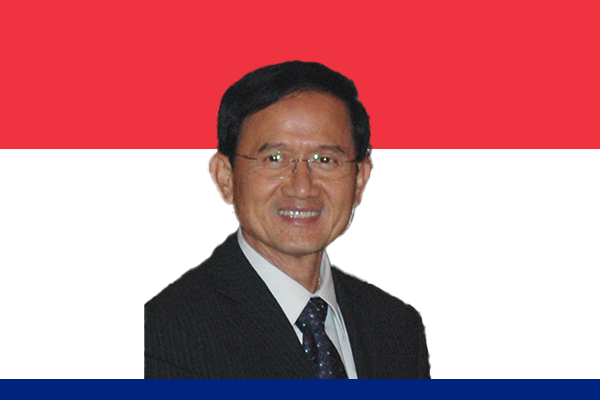
Early Life and Education
Somchai Wongsawat was born on 31 August 1947 in Thailand. He pursued higher education with a strong focus on law, which later defined his professional and political career. He earned a law degree and built a reputation as a disciplined legal professional. His education gave him a solid understanding of constitutional law, judicial processes, and governance, skills that later proved essential during his time in national leadership.
Legal Career and Entry into Politics
Somchai began his professional life as a judge, where he gained respect for his legal knowledge and impartial approach. His judicial background set him apart from many politicians, as he relied on legal reasoning rather than populist rhetoric. Over time, he transitioned into politics and aligned himself with parties connected to former Prime Minister Thaksin Shinawatra. This political association significantly influenced both his rise to power and the challenges he later faced.
Path to the Premiership
In 2008, Somchai Wongsawat assumed the role of Prime Minister following the removal of his predecessor by a court ruling. Parliament selected him as Prime Minister due to his experience, seniority, and party support. From the beginning, he inherited a deeply divided political environment. Opposition groups organized mass protests, while government supporters demanded stability and continuity. Despite these challenges, Somchai accepted the responsibility with confidence and resolve.
Leadership as Prime Minister
As Prime Minister, Somchai actively attempted to manage political unrest and maintain constitutional order. He emphasized dialogue and legal processes rather than forceful suppression of protests. His government focused on administrative continuity, economic stability, and public order. However, widespread demonstrations, particularly by anti-government groups, placed enormous pressure on his leadership.
Somchai faced criticism for what opponents viewed as indecisive leadership, while supporters praised his restraint and respect for democratic norms. He authorized security measures when necessary but avoided extreme actions that could escalate violence. His leadership style reflected his judicial background, as he consistently relied on law and procedure.
Political Crisis and Judicial Intervention
The most defining moment of Somchai Wongsawat’s premiership came with the Constitutional Court’s ruling against the ruling party. In December 2008, the court dissolved the party and disqualified its executives, including Somchai, from political office. This decision abruptly ended his term as Prime Minister. Somchai accepted the ruling peacefully, reinforcing his image as a leader who respected judicial authority and constitutional mechanisms.
Life After Office and Legacy
After leaving office, Somchai stepped back from frontline politics. He remained an important figure in discussions about Thai democracy, judicial power, and political accountability. His tenure highlighted the growing role of courts in Thai politics and the fragile balance between elected governments and independent institutions.
Somchai Wongsawat’s legacy rests on his calm leadership during crisis, his respect for the rule of law, and his willingness to accept judicial decisions without resistance. Although his time as Prime Minister was brief, it reflected a critical chapter in Thailand’s political evolution and demonstrated the challenges faced by leaders in times of deep national division.
Conclusion
Prime Minister Somchai Wongsawat led Thailand during a short yet intense period marked by political instability and institutional conflict. Through legal discipline, restraint, and constitutional respect, he guided the country through uncertainty. His leadership continues to serve as an example of how law, politics, and democracy intersect in modern Thailand.