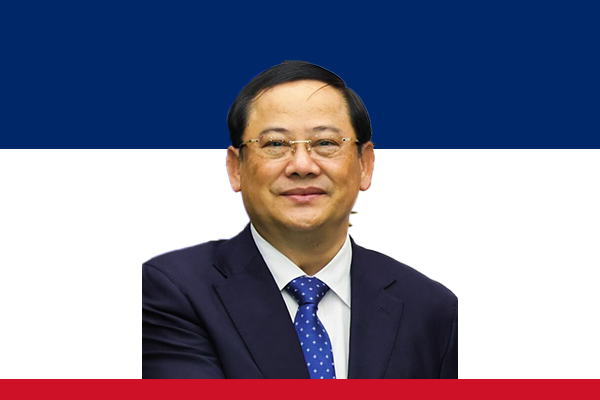
Early Life and Background
Sonexay Siphandone was born in Laos into a politically influential family. He is the son of Khamtai Siphandone, a former President and key figure in Lao politics. Growing up in this environment provided Sonexay with early exposure to the workings of government, diplomacy, and public service. His educational journey included studies in Laos and abroad, focusing on economics and political administration, which laid the foundation for his later leadership roles.
Entry into Politics
Sonexay began his political career within the Lao People’s Revolutionary Party (LPRP), the ruling party in Laos. His dedication, organizational skills, and understanding of national policies helped him climb the party ranks. Early in his career, he held several administrative and ministerial positions, which gave him practical experience in managing government affairs and implementing policy reforms. His ability to balance domestic priorities with international relations earned him recognition among senior party leaders.
Rise to Prominence
Before becoming Prime Minister, Sonexay served in key ministerial roles, including positions related to finance and planning. These roles allowed him to influence the country’s economic direction, focusing on sustainable development, infrastructure growth, and attracting foreign investment. His pragmatic approach and commitment to economic modernization distinguished him from many of his contemporaries. As a result, he gained a reputation as a capable and reform-minded leader.
Premiership and Governance
Sonexay Siphandone assumed the office of Prime Minister of Laos in 2022, succeeding Thongloun Sisoulith. As Prime Minister, he has focused on continuing the government’s efforts to boost economic growth while improving public services and social welfare. His administration emphasizes strengthening education, healthcare, and rural development to reduce inequality across the country.
A major component of his governance has been balancing economic development with environmental sustainability. Recognizing the importance of Laos’ natural resources, Sonexay has advocated for responsible management of hydropower, forestry, and agricultural projects, ensuring that development projects benefit local communities.
Foreign Relations and Regional Engagement
Under Sonexay’s leadership, Laos has strengthened its ties with neighboring countries and key international partners. He emphasizes regional cooperation through the Association of Southeast Asian Nations (ASEAN) while also maintaining strategic relationships with China, Vietnam, and other influential nations. Sonexay’s diplomatic efforts aim to attract foreign investment, promote trade, and enhance Laos’ regional influence, positioning the country as a stable and reliable partner in Southeast Asia.
Challenges and Achievements
Despite his accomplishments, Prime Minister Sonexay faces challenges such as managing economic inequality, modernizing infrastructure, and addressing climate change impacts. Nevertheless, he has initiated programs to expand digitalization, improve transportation networks, and support small and medium enterprises, creating opportunities for local economic growth.
Vision for the Future
Sonexay Siphandone’s vision for Laos centers on sustainable and inclusive development. He seeks to modernize the economy while preserving cultural heritage and natural resources. By prioritizing education, healthcare, and technological innovation, he aims to transform Laos into a resilient nation capable of adapting to global economic trends while maintaining its unique identity.
Conclusion
Prime Minister Sonexay Siphandone represents a new generation of Lao leaders, combining the wisdom of experience with a forward-looking approach to governance. His leadership continues to shape the country’s economic, social, and diplomatic trajectory, reflecting his commitment to progress and the welfare of the Lao people.