Mr. Surayud Chulanont
In Office: 1 October 2006 – 29 January 2008
Political Party: Independent
Home State: Chakrapong Camp
Lifespan: born 1943
Country: Thailand
Image credits available here.
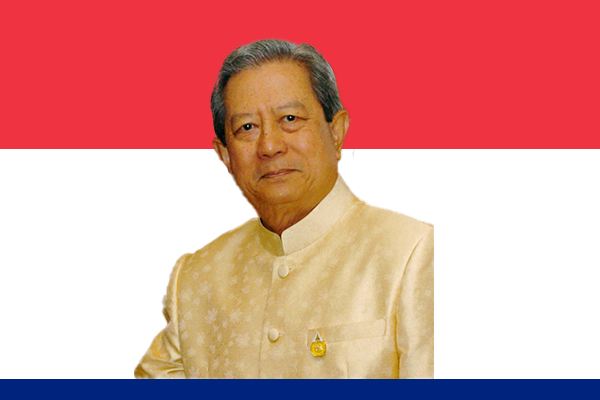
Early Life and Military Career
Surayud Chulanont was born on August 21, 1943, in Prachinburi Province, Thailand. He grew up in a family closely connected to the Thai military, which shaped his early interests and career path. He entered the Armed Forces Academies Preparatory School and later graduated from the Chulachomklao Royal Military Academy.
During his military career, Surayud demonstrated strong leadership and professionalism. He rose steadily through the ranks and eventually became Commander-in-Chief of the Royal Thai Army. His colleagues recognized him as a disciplined officer who valued order, national unity, and respect for institutions. Before becoming prime minister, he also served as Supreme Commander of the Royal Thai Armed Forces, which further strengthened his national profile.
Appointment as Prime Minister
Following the September 2006 military coup that removed Prime Minister Thaksin Shinawatra, the military-appointed council selected Surayud Chulanont as interim prime minister. The council chose him because of his clean image, royalist leanings, and reputation for honesty.
Surayud accepted the role with the stated aim of stabilizing the country and preparing Thailand for democratic elections. He emphasized that his government would remain temporary and would focus on restoring public trust in governance.
Governance and Key Policies
As prime minister, Surayud Chulanont prioritized national reconciliation and administrative reform. He sought to reduce political tensions by promoting dialogue and cooperation among divided groups. His government encouraged transparency and attempted to curb corruption, especially in state institutions affected by political interference.
Surayud also supported the drafting of a new constitution. His administration worked closely with constitutional bodies to ensure legal reforms that would prevent the concentration of power and strengthen checks and balances. In economic matters, he followed a cautious approach, aiming to maintain stability while reviewing large-scale policies introduced by the previous government.
Foreign Policy and International Relations
In foreign affairs, Surayud Chulanont focused on restoring Thailand’s international image after the coup. He reassured neighboring countries and global partners that Thailand remained committed to regional cooperation and peaceful diplomacy. His government maintained strong relations within Southeast Asia and continued participation in regional forums.
Surayud also emphasized respect for international norms while asserting Thailand’s sovereignty. Through calm and measured diplomacy, he helped reduce concerns about political instability among foreign investors and governments.
Challenges and Criticism
Despite his efforts, Surayud faced criticism from various political groups. Supporters of the ousted government accused his administration of lacking democratic legitimacy. Others criticized economic slowdowns and policy reversals that affected investor confidence.
Surayud acknowledged these challenges openly and maintained that his government’s temporary nature limited its ability to implement long-term reforms. He consistently stressed that the ultimate goal was to hand power back to an elected civilian government.
Legacy and Later Life
Surayud Chulanont stepped down in January 2008 after democratic elections took place. His tenure remains remembered as a stabilizing phase rather than a transformative one. Many observers credit him with maintaining order and guiding Thailand back toward electoral politics during a difficult period.
After leaving office, Surayud continued to serve the nation in advisory and religious roles, including his appointment to the Privy Council. His legacy reflects restraint, loyalty, and a commitment to national stability over personal power.
Conclusion
Prime Minister Surayud Chulanont played a crucial role in Thailand’s political transition following the 2006 coup. Through calm leadership, institutional respect, and a focus on reconciliation, he helped steer the country through uncertainty and back toward democratic governance.