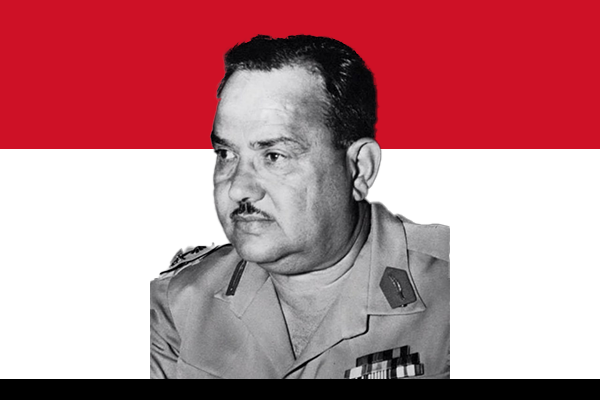
Early Life and Military Background
Tahir Yahya was born in Iraq and pursued a career in the military, which was a common pathway to political influence in mid-20th-century Iraq. He received formal military training and gradually rose through the ranks due to his discipline, organizational ability, and loyalty to nationalist ideals. His military background strongly shaped his political outlook, emphasizing order, authority, and state control.
Entry into Politics
Yahya entered politics during a period marked by frequent coups and power struggles. The Iraqi political system at the time was heavily influenced by the armed forces, and Yahya emerged as a trusted figure among senior officers. His alignment with nationalist and republican principles helped him gain prominence within ruling circles. As political instability grew, his administrative skills made him a suitable candidate for high office.
Tenure as Prime Minister
Tahir Yahya served as Prime Minister of Iraq from 1963 to 1968, holding office during a time of major internal and external challenges. His government focused on maintaining state authority, strengthening internal security, and managing relations between competing political factions. Yahya worked closely with military leaders, reflecting the reality that civilian governance remained limited during this period.
During his tenure, Iraq faced ideological divisions between nationalist, socialist, and regional interests. Yahya attempted to balance these forces while ensuring continuity of government. His leadership style emphasized control and pragmatism rather than sweeping reforms. While this approach helped maintain stability for a time, it also limited broader political participation.
Domestic Policies and Administration
On the domestic front, Yahya prioritized administrative efficiency and public order. His government aimed to strengthen state institutions and reduce political unrest. Economic policy focused on managing national resources and supporting state-led development, though progress was often slowed by political uncertainty.
Social reforms were limited, as the government concentrated more on security and governance than on transformative change. Nevertheless, Yahya’s administration sought to maintain essential public services and ensure continuity in state operations during periods of tension.
Challenges and Political Pressures
Tahir Yahya’s leadership faced constant pressure from rival political groups and military factions. Coups and counter-coups remained a persistent threat, creating an environment of uncertainty. Regional conflicts and shifting alliances in the Middle East further complicated Iraq’s political position.
Despite these challenges, Yahya managed to remain in office for several years, demonstrating political resilience and adaptability. However, the dominance of military power meant that his authority was often constrained by forces beyond his direct control.
Later Years and Legacy
After leaving office, Tahir Yahya gradually withdrew from the political spotlight. His legacy is closely tied to a period when Iraq struggled to define its political identity amid competing ideologies and power centers. Historians often view him as a stabilizing yet conservative figure who prioritized order over reform.
Tahir Yahya remains an important figure in Iraqi political history. His tenure illustrates the complexities of governance in a state shaped by military influence and rapid political change. While not known for transformative reforms, his role in maintaining governmental continuity during a volatile era secures his place in Iraq’s modern political narrative.
Conclusion
Prime Minister Tahir Yahya’s career reflects the challenges of leadership in mid-20th-century Iraq. As a military officer turned politician, he navigated instability with pragmatism and authority. His leadership offers valuable insight into a formative period of Iraqi governance and the enduring impact of military influence on political life.