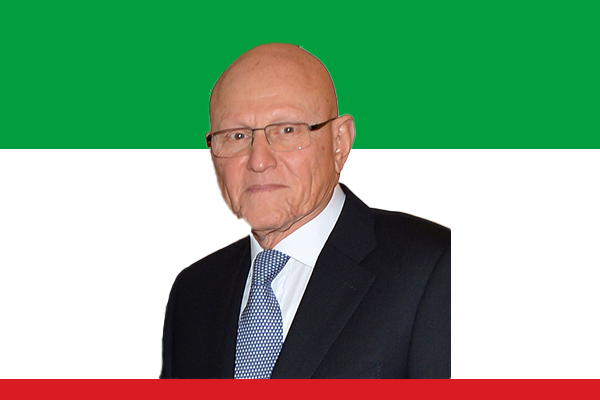
Early Life and Education
Tammam Salam was born on May 13, 1945, in Beirut, Lebanon, into a well-known political family. He is the son of Saeb Salam, a former Prime Minister of Lebanon who served multiple terms. Growing up in a household deeply involved in national politics greatly influenced Salam’s career path. He completed his early education in Beirut and later pursued higher studies in business administration in the United Kingdom. His educational background helped him develop administrative and managerial skills that later proved valuable in public service.
Political Career
Salam entered politics following in his father’s footsteps and became known for his moderate Sunni leadership within Lebanon’s complex sectarian political system. He was elected as a Member of Parliament for Beirut in 1996 and retained his seat in subsequent elections. Over the years, Salam built a reputation as a calm and balanced political figure who advocated dialogue over confrontation.
On April 6, 2013, he was appointed Prime Minister-designate after gaining broad parliamentary support. However, due to deep divisions among Lebanon’s political factions, it took nearly ten months to form a government. Finally, in February 2014, Salam successfully formed a national unity government that included representatives from major political blocs. His ability to bring opposing groups together was widely viewed as a diplomatic achievement.
Tenure as Prime Minister (2014–2016)
Tammam Salam officially took office as Prime Minister on February 15, 2014. His tenure came at a time when Lebanon was facing significant internal and external challenges. The ongoing war in neighboring Syria had resulted in a large influx of refugees into Lebanon, placing economic and social pressure on the country. Salam’s government worked to manage the refugee crisis while maintaining internal security.
Another major issue during his leadership was the presidential vacuum in Lebanon, as the country remained without a president from 2014 to 2016 due to political deadlock. During this period, the cabinet collectively exercised presidential powers, increasing the responsibility on Salam’s shoulders. Despite frequent cabinet disputes and political tensions, he managed to keep the government functioning.
Salam emphasized stability, security cooperation, and the strengthening of state institutions. He consistently called for national unity and warned against sectarian division. His approach was characterized by patience and dialogue rather than aggressive political maneuvering.
Leadership Style and Legacy
Tammam Salam is widely recognized for his moderate and conciliatory leadership style. Unlike many political figures in Lebanon, he avoided inflammatory rhetoric and focused on preserving state institutions. His tenure did not bring sweeping reforms, but it maintained relative stability during a turbulent period.
Although his government faced criticism over slow decision-making and limited progress on economic reforms, supporters argue that his leadership prevented deeper political collapse. His calm demeanor and diplomatic skills helped Lebanon navigate a sensitive transitional phase.
After completing his term in December 2016, Salam stepped away from frontline political leadership but remained a respected national figure. His contributions reflect a commitment to dialogue and coexistence within Lebanon’s diverse society.