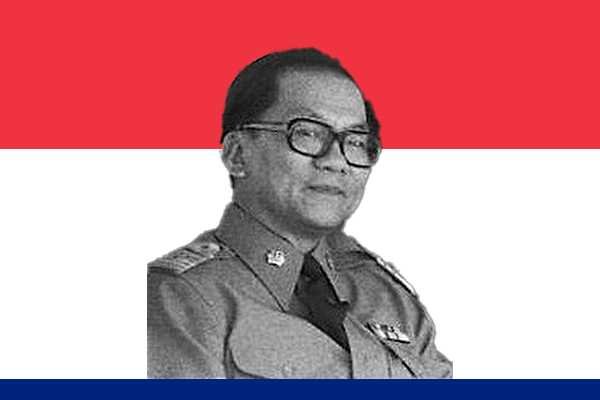
Early Life and Legal Career
Thanin Kraivichien was born in 1927 in Thailand. He pursued higher education in law and built a strong reputation as a principled and disciplined legal professional. He later served as a judge of the Supreme Court, where he became widely known for his rigid interpretation of law and strong moral convictions. Thanin consistently advocated traditional Thai values and viewed legal order as the foundation of a stable society. His judicial career helped establish him as a trusted conservative figure among Thailand’s royalist and military elites.
Path to the Premiership
Thanin Kraivichien rose to political prominence after the events of October 1976, when political violence and unrest shook Thailand. Following the crisis, the military and conservative forces sought a civilian leader who would firmly oppose leftist movements. They selected Thanin as prime minister because of his anti-communist stance, loyalty to the monarchy, and reputation for moral integrity. Upon taking office, Thanin promised to restore order, protect national security, and prevent ideological threats to the Thai state.
Governance and Political Ideology
As prime minister, Thanin Kraivichien ruled with an uncompromising and authoritarian approach. He openly rejected Western-style democracy, arguing that Thailand required long-term political guidance before democratic rule could function effectively. Thanin proposed delaying elections for more than a decade, claiming that the Thai people needed political education and moral discipline first. His government tightly controlled political activity, restricted civil liberties, and suppressed opposition voices.
Thanin strongly opposed communism and viewed left-wing activism as a direct threat to national stability. His administration banned political parties, censored the media, and closely monitored academic institutions. He believed that firm leadership and moral governance would strengthen the nation and preserve Thai cultural identity.
Domestic Policies and Public Reaction
Thanin Kraivichien emphasized social order, discipline, and loyalty to traditional institutions. His government promoted conservative education policies and reinforced the role of Buddhism, monarchy, and nationalism in public life. However, his rigid policies generated widespread dissatisfaction. Students, intellectuals, and many ordinary citizens criticized his leadership for limiting freedoms and ignoring social realities.
Economic challenges and lack of political participation further weakened public support. Thanin’s refusal to compromise or introduce reforms alienated even some of his original supporters within the military establishment.
Removal from Office
In October 1977, only one year after assuming office, Thanin Kraivichien was removed from power through a military coup. The armed forces concluded that his inflexible leadership and prolonged suspension of democracy threatened national stability rather than securing it. After his removal, Thanin withdrew from frontline politics, though he later served in advisory and royal appointments, maintaining respect within conservative circles.
Legacy and Historical Assessment
Thanin Kraivichien remains a controversial figure in Thai political history. Supporters view him as a principled leader who defended national security and traditional values during a dangerous ideological period. Critics argue that his authoritarian rule deepened political divisions and delayed democratic development. His short tenure highlights the tension between order and freedom in Thailand’s political evolution and reflects the challenges faced by leaders during times of ideological conflict.
Conclusion
Prime Minister Thanin Kraivichien governed Thailand with discipline, conviction, and unwavering conservatism. His leadership reflected the fears and priorities of an era dominated by Cold War politics and internal unrest. Although his time in office was brief, his impact continues to shape discussions about authority, democracy, and governance in Thailand’s modern history.