Introduction
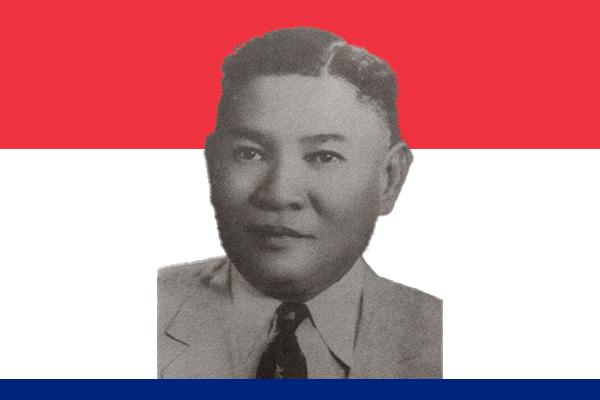
Prime Minister Thawi Bunyaket stands as a significant yet often understated figure in Thailand’s political history. He assumed office during a moment of national uncertainty in 1945, when Thailand faced the immediate aftermath of World War II. Although his tenure remained brief, Thawi Bunyaket exercised decisive leadership, stabilized governance, and helped redirect Thailand toward democratic norms and international reconciliation.
Early Life and Political Background
Thawi Bunyaket emerged as a respected Thai intellectual, legal expert, and statesman before entering the highest office. He built his reputation through public service and diplomacy, earning recognition for his calm judgment and strong commitment to constitutional principles. Thai leaders and political groups viewed him as a neutral and trustworthy figure, especially valuable during periods of national crisis. His background prepared him to navigate complex political realities with restraint and responsibility.
Thailand’s Political Situation in 1945
When Thawi Bunyaket became Prime Minister in August 1945, Thailand stood at a historic crossroads. The Second World War had ended, Japan had surrendered, and Thailand faced pressure to redefine its international position. Internally, political divisions challenged stability, while externally, Thailand needed to repair diplomatic relations with Allied powers. Thawi Bunyaket stepped into leadership precisely when the nation required balance, legitimacy, and reassurance.
Appointment as Prime Minister
Thai political leaders selected Thawi Bunyaket as Prime Minister because of his credibility and moderate stance. He took office after the resignation of Khuang Aphaiwong, leading a caretaker-style government with a clear mission. Rather than seeking long-term authority, Thawi focused on restoring normal governance, ensuring continuity, and preparing the ground for democratic transition. His leadership reflected service over ambition.
Governance and Leadership Style
Prime Minister Thawi Bunyaket governed with restraint, pragmatism, and respect for constitutional processes. He avoided authoritarian measures and instead emphasized cooperation among political groups. His administration worked to stabilize internal affairs and maintain public confidence at a sensitive time. By acting decisively yet cautiously, Thawi reassured both Thai citizens and foreign observers that Thailand intended to move forward peacefully.
Role in Post-War Transition
Thawi Bunyaket played a critical role in Thailand’s post-war transition. He supported efforts to distance the nation from wartime alliances and to reaffirm Thailand’s sovereignty. His government contributed to restoring diplomatic legitimacy and facilitating Thailand’s reintegration into the international community. Although his term lasted only weeks, his actions helped prevent chaos and ensured an orderly transfer of power.
End of Tenure and Political Legacy
In September 1945, Thawi Bunyaket stepped down after successfully completing his transitional responsibilities. His resignation reflected his belief in constitutional order rather than personal power. Historians recognize his tenure as a stabilizing bridge between wartime governance and renewed democratic leadership. Thawi left office having fulfilled a critical national duty at a decisive moment.
Historical Significance
Prime Minister Thawi Bunyaket remains important not because of long rule or sweeping reforms, but because of timely leadership. He demonstrated how integrity, moderation, and respect for democratic values can guide a nation through uncertainty. His brief administration helped preserve Thailand’s political continuity and international standing during one of the most delicate periods in its modern history.
Conclusion
Thawi Bunyaket’s premiership highlights the value of principled leadership in times of transition. By placing national stability above personal ambition, he contributed quietly yet effectively to Thailand’s recovery after World War II. His legacy endures as an example of responsible statesmanship and constitutional commitment in Thai political history.