Early Life and Education
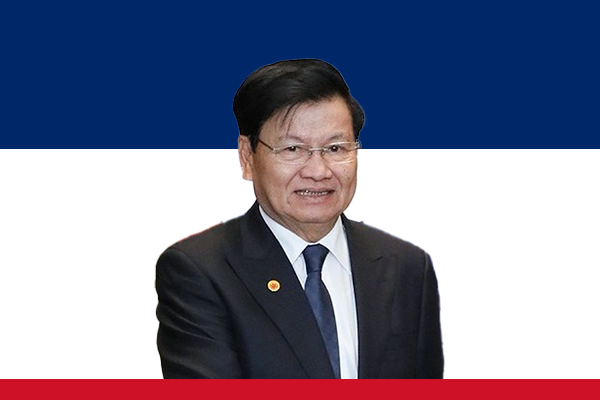
Thongloun Sisoulith was born on November 10, 1945, in Houaphanh Province, Laos. Growing up in a period of significant political change in Laos, he developed a strong interest in public service and national development. Sisoulith pursued his education in law and political science, which laid the foundation for his future career in governance. His academic background provided him with a thorough understanding of both domestic policy and international relations, skills that would prove essential during his tenure as a government leader.
Political Career Beginnings
Sisoulith’s political career began in the 1970s when he joined the Lao People’s Revolutionary Party (LPRP). His early work in the government focused on foreign affairs, which allowed him to develop expertise in diplomacy and international cooperation. He held various positions within the party and the government, steadily gaining influence and trust among his peers. His dedication and consistent performance positioned him as a key figure in Laos’ political landscape.
Role in Foreign Affairs
Before becoming Prime Minister, Sisoulith served as Laos’ Minister of Foreign Affairs from 2006 to 2016. During this period, he played a crucial role in strengthening Laos’ relationships with neighboring countries and international organizations. He promoted regional cooperation through the Association of Southeast Asian Nations (ASEAN) and actively represented Laos in global forums. His diplomatic efforts helped Laos navigate complex international issues, secure development aid, and attract foreign investment. Sisoulith’s tenure as foreign minister was marked by pragmatic decision-making and a focus on balancing national interests with regional partnerships.
Ascension to Prime Minister
Thongloun Sisoulith became the Prime Minister of Laos in April 2016, following a period of political restructuring within the LPRP. His leadership style emphasized transparency, accountability, and sustainable development. As Prime Minister, he prioritized economic reforms, aiming to modernize the country’s infrastructure, boost industrial growth, and reduce poverty levels. Sisoulith also advocated for environmental protection and responsible resource management, recognizing the importance of preserving Laos’ natural heritage for future generations.
Domestic Policies and Reforms
Under Sisoulith’s administration, Laos implemented a series of socio-economic reforms aimed at improving the standard of living for its citizens. He focused on enhancing public services such as healthcare, education, and transportation. Additionally, his government encouraged private sector development, foreign investment, and trade liberalization. By fostering a stable and predictable business environment, Sisoulith sought to create sustainable economic growth while maintaining social harmony.
Regional and International Engagement
Prime Minister Sisoulith has been an active participant in ASEAN initiatives, promoting regional integration and collaboration. He has also strengthened bilateral relations with major global powers, ensuring that Laos remains a constructive partner on the international stage. His diplomatic approach balances the nation’s need for economic development with the preservation of sovereignty and cultural identity.
Leadership Style and Legacy
Thongloun Sisoulith is known for his pragmatic and thoughtful leadership. He emphasizes careful planning, consensus-building, and ethical governance. His tenure reflects a commitment to both national development and international cooperation. Through his policies and diplomatic engagement, Sisoulith has contributed to Laos’ stability and gradual modernization, leaving a lasting impact on the country’s political and socio-economic landscape.