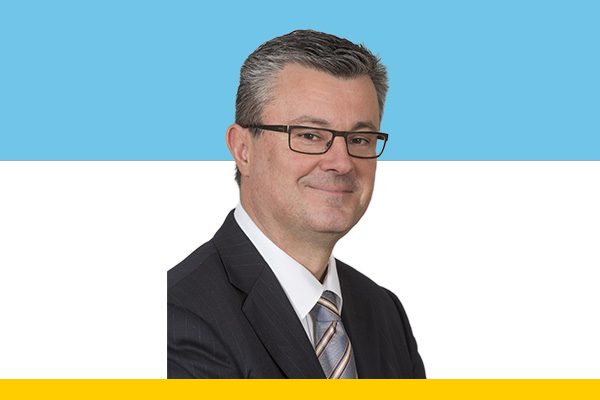
Early Life and Education
Tihomir Orešković was born on January 1, 1966, in Zagreb, which was then part of Yugoslavia. When he was young, his family moved to Canada, where he spent most of his childhood and adult life. Growing up in Canada helped him develop an international perspective and strong English-language skills.
Orešković studied chemistry and finance during his university years. He later built a successful career in the pharmaceutical industry. He worked for the global pharmaceutical company Teva Pharmaceutical Industries and held important leadership positions in Europe and other regions. Through his work, he gained experience in business management, finance, and international operations.
His professional success earned him respect in corporate circles long before he entered politics.
Entry into Politics
In 2015, Croatia faced political uncertainty after parliamentary elections produced no clear winner. Political parties struggled to form a stable government. Eventually, leaders selected Tihomir Orešković as a compromise candidate for Prime Minister because he was not deeply connected to party politics.
In January 2016, Orešković officially became Prime Minister of Croatia. Many citizens hoped that his business background would help strengthen the national economy and reduce public debt. He promised to improve financial discipline, encourage investment, and support economic reforms.
Although he lacked political experience, Orešković worked hard to present himself as a professional leader focused on practical solutions rather than political conflict.
Leadership and Challenges
During his time in office, Orešković concentrated on economic issues and government efficiency. He encouraged responsible spending and supported reforms designed to attract foreign investors. He also promoted cooperation between Croatia and international business communities.
However, his government faced constant political disagreements. The coalition parties that supported him often argued with one another, making it difficult to pass major reforms. Political tensions weakened the stability of his administration.
Orešković attempted to maintain neutrality and focus on national interests, but conflicts inside the government continued to grow. As a result, Parliament eventually passed a vote of no confidence against his administration in 2016.
His term as Prime Minister lasted only a few months, but many observers remembered him as a calm and professional leader who tried to bring business discipline into politics.
Life After Politics
After leaving office, Tihomir Orešković returned to the business world. He continued working in international management and corporate leadership roles. His experience in both politics and business gave him a unique reputation among Croatian public figures.
Many people still view Orešković as an example of a technocratic leader—a person chosen for expertise rather than long political experience. His career demonstrated how business professionals can sometimes enter politics during periods of national uncertainty.
Conclusion
Tihomir Orešković brought a different leadership style to Croatian politics. With his strong international business background, he focused on economic reform, financial responsibility, and professional management. Although his time as Prime Minister was brief, he left an important impression as a technocratic leader who attempted to modernize government operations.