Mr. Tursunbek Chyngyshev
In Office: 10 February 1992 – 13 December 1993
Political Party: Independent
Home State: Marksovsky
Lifespan: born 1942
Country: Kyrgyzstan
Image credits available here.
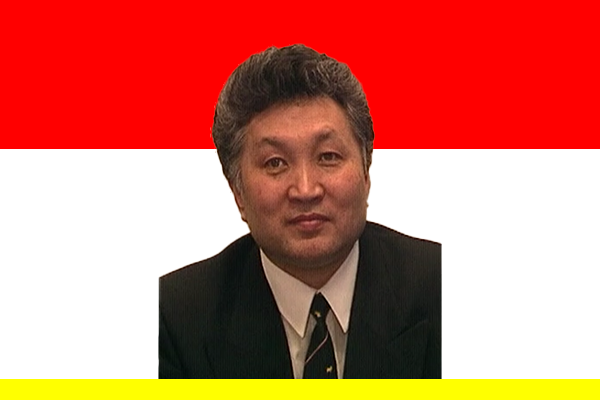
Early Life and Background
Tursunbek Chyngyshev emerged as a prominent political figure during a period of profound transformation in Central Asia. Born and educated in the Kyrgyz Soviet Socialist Republic, he built his career within the Soviet administrative and economic system. Like many leaders of his generation, Chyngyshev gained experience in state planning, management, and party structures, which later proved essential during the turbulent years following the collapse of the Soviet Union. His professional background gave him a reputation as a disciplined administrator capable of handling complex governance challenges.
Entry into National Politics
As the Soviet Union began to disintegrate in the late 1980s and early 1990s, Kyrgyzstan faced uncertainty, institutional weakness, and economic decline. During this transition, Chyngyshev rose to national prominence due to his experience and pragmatic approach. He became involved in high-level government roles at a time when the newly independent republic urgently needed leaders who understood both Soviet-era systems and the demands of sovereignty. His ability to work within changing political realities helped position him for executive responsibility.
Appointment as Prime Minister
Tursunbek Chyngyshev was appointed Prime Minister of Kyrgyzstan in the early 1990s, a critical period shortly after independence. His tenure coincided with the establishment of new state institutions, the drafting of policies suited to a market-oriented economy, and efforts to maintain political stability. As Prime Minister, he worked under a presidential system that was still evolving, requiring careful coordination between the executive branch and emerging democratic structures.
Governance and Policy Priorities
One of Chyngyshev’s main challenges was managing the transition from a centrally planned economy to a market-based system. Kyrgyzstan, like many post-Soviet states, faced inflation, unemployment, and declining industrial output. His government focused on maintaining basic economic functions, securing state revenues, and preventing social unrest. Although resources were limited, the administration sought to ensure continuity in public services and food supply.
Chyngyshev also emphasized administrative order and legal stability. During a time of rapid political change, his leadership style was generally cautious and pragmatic. He prioritized keeping the government functional while broader reforms were debated and gradually implemented. This approach reflected the realities of a country with limited experience in independent governance and significant economic vulnerability.
Foreign Relations and Regional Context
As Prime Minister, Chyngyshev operated in a complex regional environment. Kyrgyzstan needed to establish diplomatic relations, maintain ties with neighboring Central Asian states, and redefine its relationship with Russia. His government supported balanced foreign engagement, recognizing the importance of regional cooperation for trade, security, and energy supplies. These early foreign policy efforts helped lay the groundwork for Kyrgyzstan’s later regional and international partnerships.
Challenges and Limitations
Despite his experience, Chyngyshev’s tenure was constrained by structural difficulties. Economic hardship, limited institutional capacity, and political disagreements made comprehensive reform difficult. Like many early post-independence leaders, he had to work within incomplete legal frameworks and under constant pressure from social and economic instability. His term as Prime Minister was relatively short, reflecting the volatility of Kyrgyz politics during the early 1990s.
Legacy and Historical Significance
Tursunbek Chyngyshev is remembered as one of the key figures of Kyrgyzstan’s formative post-Soviet period. While his time in office did not produce dramatic reforms, his contribution lies in helping the state survive its most fragile early years. He provided continuity at a moment when institutional collapse was a real risk. His pragmatic governance style reflected the urgent need for stability over experimentation.