Early Life and Education
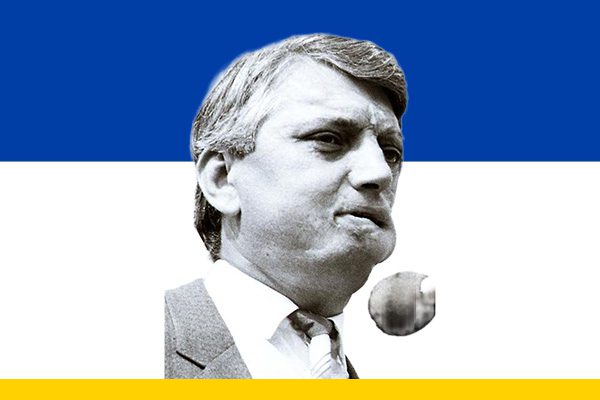
Valeriu Muravschi was born on July 31, 1949, in the village of Sirota, located in the Orhei District of what was then the Moldavian Soviet Socialist Republic. He pursued higher education in economics at the Polytechnic Institute in Chișinău, where he developed the knowledge and skills that later supported his political and economic career. After graduation, he worked in several economic and financial institutions of the Moldavian SSR. These positions allowed him to gain valuable experience in public administration and economic management.
Rise in Government
Muravschi steadily advanced through government service. During the late Soviet period, he held important economic and financial roles. In 1990, he joined the government led by Mircea Druc and served as Deputy Prime Minister and Minister of Finance. His expertise in economic matters earned him respect among political leaders and policymakers.
As Moldova moved toward independence, Muravschi became one of the key figures responsible for managing the country’s finances and preparing its institutions for self-governance. His practical approach and administrative experience made him a natural choice for higher leadership responsibilities.
Prime Minister of Independent Moldova
On May 28, 1991, Valeriu Muravschi became Prime Minister. After Moldova declared independence from the Soviet Union on August 27, 1991, he continued to serve as the head of government, making him the first Prime Minister of independent Moldova.
His government faced enormous challenges. Moldova needed to build new state institutions, establish diplomatic relations with foreign countries, and create laws suitable for an independent nation. During his administration, Moldova gained international recognition and strengthened its position in the global community. The country also became a member of major international organizations and began forming diplomatic partnerships with many nations.
Challenges and the Transnistria Conflict
One of the greatest difficulties during Muravschi’s premiership was the conflict in Transnistria. Political tensions in the region escalated into armed conflict, threatening the stability of the newly independent state. Muravschi worked to protect Moldova’s sovereignty while managing the political and economic pressures created by the conflict.
The Transnistria issue dominated much of his time in office and significantly influenced government decisions. Despite the difficulties, he continued efforts to strengthen national institutions and maintain order during a period of uncertainty.
Later Political Career
After leaving the position of Prime Minister in July 1992, Muravschi remained active in public life. He later served as a member of the Moldovan Parliament and participated in various political initiatives. In 1999, he founded the National Christian Democratic Peasants Party of Moldova and contributed to the country’s evolving political landscape. His continued involvement demonstrated his commitment to Moldova’s democratic development.
Legacy and Death
Valeriu Muravschi passed away on April 8, 2020, at the age of 70. Political leaders and citizens remembered him as a patriot, statesman, and one of the architects of modern Moldova. Many recognized his role in guiding the country through its first year of independence and helping establish the foundations of the Moldovan state.
Conclusion
Valeriu Muravschi remains an important figure in Moldovan history. His leadership during the birth of an independent Moldova helped shape the nation’s future. Through his work as an economist, finance minister, parliamentarian, and prime minister, he contributed significantly to the creation and development of the modern Republic of Moldova. His legacy continues to inspire those interested in Moldova’s journey toward independence and democracy.