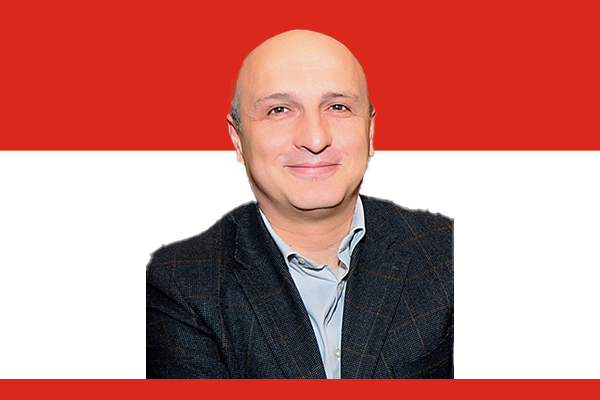
Early Life and Education
Vano Merabishvili was born on April 15, 1968, in the Georgian Soviet Socialist Republic, which was then part of the Soviet Union. He pursued his higher education at Tbilisi State University, where he studied engineering and later political sciences. His education helped him develop analytical and leadership skills, which later played a significant role in his political journey.
During the late 1990s, Georgia was going through political instability, corruption, and economic challenges. This environment influenced Merabishvili to enter politics and contribute to national reform and development.
Entry into Politics
Merabishvili became actively involved in politics as a member of the United National Movement, a political party founded by Mikheil Saakashvili. The party aimed to fight corruption, strengthen state institutions, and modernize Georgia.
His loyalty, discipline, and administrative abilities quickly made him an important figure within the party. After the Rose Revolution in 2003, which brought Saakashvili to power, Merabishvili was appointed to several important government positions.
Role as Minister of Internal Affairs
One of Merabishvili’s most significant roles was serving as Minister of Internal Affairs from 2004 to 2012. During this period, he led major reforms in Georgia’s police and security forces.
Before the reforms, Georgia’s police system was widely seen as corrupt and inefficient. Merabishvili introduced strict anti-corruption measures, replaced large numbers of police officers, and created a modern, professional police force. These reforms greatly improved public trust and helped reduce crime and corruption.
His leadership in internal affairs is often considered one of the key factors behind Georgia’s successful state reforms in the early 2000s.
Appointment as Prime Minister
In July 2012, Vano Merabishvili was appointed Prime Minister of Georgia by President Mikheil Saakashvili. His appointment came during a politically sensitive time, as the country was preparing for parliamentary elections.
As Prime Minister, his main priorities included:
Reducing unemployment
Strengthening the economy
Improving social welfare
Continuing modernization reforms
He launched employment programs and economic initiatives aimed at improving the living standards of Georgian citizens.
However, his time as Prime Minister was very short. He served only until October 2012, when his party lost the parliamentary elections. After the defeat, he stepped down from his position.
Later Political Challenges and Legacy
After leaving office, Merabishvili faced legal and political challenges. He was arrested in 2013 on charges related to abuse of power and corruption. His supporters claimed the charges were politically motivated, while opponents argued they were part of accountability for past actions.
Regardless of controversy, Merabishvili remains an important and influential figure in Georgian political history.
His supporters credit him with:
Transforming Georgia’s police system
Fighting corruption
Strengthening state authority
His critics, however, argue that his leadership style was too strict and concentrated power.
Conclusion
Vano Merabishvili’s political career represents a key chapter in Georgia’s modern history. As Minister of Internal Affairs and later Prime Minister, he played a major role in shaping the country’s law enforcement system and government structure.
Although his time as Prime Minister was brief, his influence on Georgia’s reforms was significant. He remains a controversial yet important political figure whose actions helped define Georgia’s transition into a more modern and organized state.