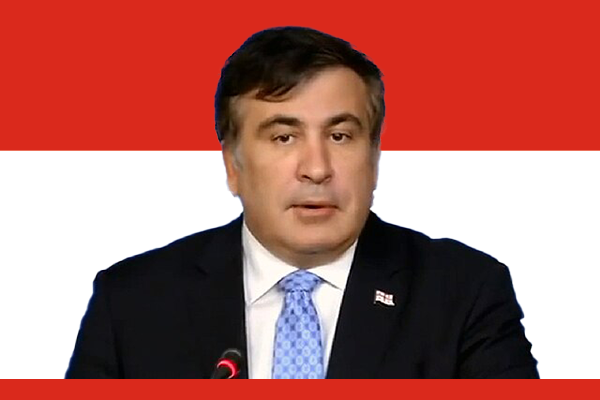
Early Life and Education
Mikheil Saakashvili was born on December 21, 1967, in Tbilisi, the capital of Georgia, which was then part of the Soviet Union. He came from an educated family; his father was a doctor and his mother was a historian. Saakashvili showed academic promise from a young age and pursued higher education in law.
He studied at Tbilisi State University and later continued his education abroad. He attended Columbia University in the United States, where he earned a Master of Laws degree. He also studied at George Washington University and worked briefly in international law. His Western education greatly influenced his political thinking and reformist ideas.
Entry into Politics
Saakashvili began his political career in the 1990s after Georgia gained independence from the Soviet Union. He joined the government of President Eduard Shevardnadze and served as Minister of Justice from 2000 to 2001. During this time, he gained popularity for his anti-corruption efforts.
However, he resigned from his post, accusing the government of corruption and lack of reform. He then formed his own political party, the United National Movement, which quickly gained public support.
The Rose Revolution and Presidency
In 2003, Saakashvili became the central leader of the Rose Revolution, a peaceful protest movement against election fraud and corruption. The revolution forced President Shevardnadze to resign, and new elections were held.
Saakashvili won the presidential election in 2004 with overwhelming support, becoming one of the youngest presidents in Europe at the age of 36.
As president, he launched major reforms. He worked to eliminate corruption, especially in the police force. Thousands of corrupt officials were dismissed, and new transparent systems were introduced. His government also improved infrastructure, education, and public services.
Achievements and Challenges
Saakashvili’s reforms led to significant economic growth and improved government efficiency. Georgia became known as one of the least corrupt countries in the region. He also strengthened relations with Western countries and aimed to bring Georgia closer to NATO and the European Union.
However, his presidency was also marked by controversies. Critics accused him of authoritarian behavior and suppressing opposition protests. In 2008, Georgia fought a brief war with Russia over the regions of South Ossetia and Abkhazia. The conflict damaged Georgia’s territorial control and created political challenges.
Life After Presidency
Saakashvili left office in 2013 after completing his second term. Later, he moved to Ukraine and became involved in politics there. In 2015, Ukrainian President Petro Poroshenko appointed him as Governor of the Odessa region.
However, his political career in Ukraine was also controversial, and he later resigned after disagreements with the government.
Meanwhile, in Georgia, Saakashvili faced criminal charges, which he denied, claiming they were politically motivated.
Legacy
Mikheil Saakashvili remains one of the most influential and debated political figures in Georgia’s modern history. Supporters praise him for fighting corruption and modernizing the country, while critics point to his controversial leadership style and political conflicts.
His role in the Rose Revolution and his reform programs transformed Georgia and left a lasting impact on its political system. Despite controversies, his contributions to state-building and reform continue to be widely discussed.