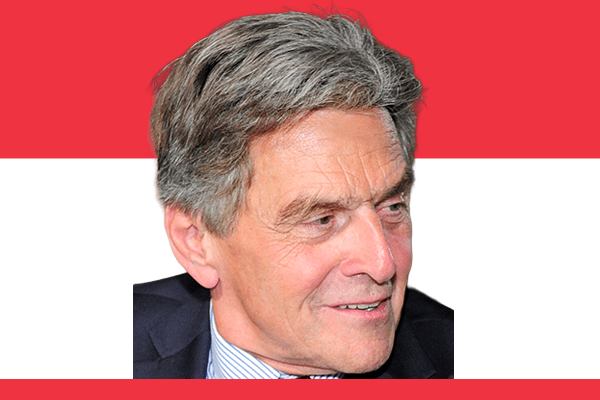
Early Life and Education
Viktor Klima was born on June 4, 1947, in Vienna, Austria. He grew up in a working-class family and developed an interest in economics and public service at an early age. After completing his education, he studied business and economics, which helped him build a strong understanding of finance and industry.
Before entering politics, Klima worked in the energy sector. He gained valuable experience in management and administration while working for OMV, Austria’s leading oil and gas company. His professional background gave him practical knowledge about economic planning and industrial growth.
Entry into Politics
Viktor Klima joined the Social Democratic Party of Austria and quickly established himself as a capable leader. His economic expertise and communication skills helped him gain recognition within the party. In the early 1990s, he entered the Austrian government and took responsibility for important economic matters.
As Minister of Public Economy and Transport, Klima focused on improving infrastructure and encouraging industrial development. He promoted modernization projects that supported economic growth and increased Austria’s competitiveness in Europe. His work earned respect from political colleagues and business leaders alike.
Chancellor of Austria
In 1997, Viktor Klima became Chancellor of Austria after Franz Vranitzky stepped down from office. As chancellor, Klima led a coalition government and faced the challenge of maintaining economic stability while addressing social concerns.
He strongly supported Austria’s role in the European Union. Klima believed that closer cooperation with European countries would benefit Austria economically and politically. He encouraged trade, investment, and international partnerships that strengthened Austria’s position within Europe.
During his leadership, Austria experienced economic growth and low unemployment rates. Klima introduced reforms that aimed to improve efficiency and modernize public administration. He also supported technological innovation and business expansion to prepare Austria for the future.
Leadership Style and Policies
Viktor Klima adopted a practical and cooperative leadership style. He worked closely with coalition partners and emphasized dialogue rather than confrontation. His calm personality and professional approach helped him manage political challenges effectively.
Klima focused heavily on economic policies. He encouraged privatization in certain sectors and supported market-oriented reforms while maintaining Austria’s strong social welfare system. He believed that economic success and social stability could work together.
Environmental issues also received attention during his government. Klima supported sustainable development and promoted policies that balanced industrial progress with environmental protection.
Political Challenges
Despite his achievements, Viktor Klima faced increasing political pressure during the late 1990s. Populist movements gained support in Austria, and public debates about immigration and European integration became more intense.
In the 1999 parliamentary election, the Social Democratic Party lost significant support. Although Klima attempted to form a stable government, political negotiations became difficult. In 2000, he left office after a new coalition government took power.
Career After Politics
After leaving politics, Viktor Klima moved into the business world. He worked in international management positions and continued to contribute his economic expertise. His transition from politics to business demonstrated his versatility and leadership abilities.
Klima remained respected for his experience in governance and economic planning. Many people viewed him as a leader who promoted stability and modernization during an important period in Austrian history.
Legacy
Viktor Klima’s political career highlighted his dedication to economic progress and European cooperation. As chancellor, he guided Austria through a period of modernization and globalization. His policies strengthened the country’s economy while preserving social balance.
Although his time in office lasted only a few years, his leadership left a lasting impact on Austria’s political and economic landscape. His calm and professional approach continues to earn recognition in Austrian political history.