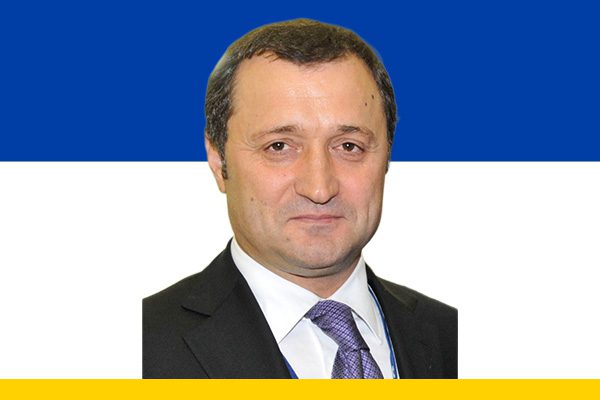
Early Life and Education
Vlad Filat was born on May 6, 1969, in Lăpușna, Moldova, which was then part of the Soviet Union. He spent his early years in Moldova and completed his basic education there. Later, he pursued higher studies and developed an interest in economics, law, and public administration. His education helped him build the knowledge and skills that later supported his political career.
Before entering politics, Filat engaged in business activities and gained experience in management and entrepreneurship. These experiences gave him practical insights into economic issues and prepared him for leadership roles in public life.
Entry into Politics
Vlad Filat entered politics during a period of significant change in Moldova. He joined political movements that supported democratic development and closer cooperation with European countries. His strong communication skills and reform-oriented ideas quickly attracted public attention.
In 2007, Filat founded the Liberal Democratic Party of Moldova (PLDM). The party focused on democratic reforms, economic growth, transparency, and European integration. Under his leadership, the party gained popularity and became an important force in Moldovan politics.
Prime Minister of Moldova
In September 2009, Vlad Filat became the Prime Minister of Moldova. As prime minister, he led efforts to modernize state institutions and improve governance. He promoted reforms aimed at increasing transparency, reducing corruption, and attracting foreign investment.
One of Filat’s key goals involved strengthening Moldova’s relationship with the European Union. He encouraged cooperation with European institutions and supported policies that aligned Moldova with European standards. His government worked on economic reforms, infrastructure development, and public sector improvements.
Many supporters praised his efforts to move Moldova closer to Europe and create opportunities for economic growth. His leadership helped Moldova gain greater international visibility and strengthened diplomatic relations with several countries.
Challenges and Controversies
Despite his political successes, Filat faced significant challenges throughout his career. Political disagreements, economic difficulties, and allegations of corruption created obstacles for his government. Opposition groups frequently criticized his policies and leadership style.
In 2015, authorities arrested Vlad Filat in connection with a major banking scandal that affected Moldova’s financial system. The case attracted widespread attention both within Moldova and internationally. Courts later convicted him on corruption-related charges, leading to a prison sentence.
The controversy significantly affected his political reputation and changed public perceptions of his legacy. Supporters argued that political factors influenced the case, while critics viewed it as evidence of corruption within the political system.
Legacy and Influence
Vlad Filat remains an important figure in Moldova’s political history. His supporters remember his efforts to promote European integration and institutional reforms. They credit him with helping Moldova strengthen its connections with European partners and modernize parts of the government.
Critics, however, often focus on the corruption allegations and the banking scandal that overshadowed many of his achievements. These events continue to influence discussions about governance, accountability, and political ethics in Moldova.
Conclusion
Vlad Filat’s life and career reflect both the opportunities and challenges of post-Soviet politics in Moldova. He rose from business and public service to become one of the country’s most influential leaders. Through his work as prime minister, he promoted reforms and closer ties with Europe. At the same time, controversies and legal issues shaped public debate about his legacy. Today, Vlad Filat remains a significant and often debated figure in Moldovan political history.