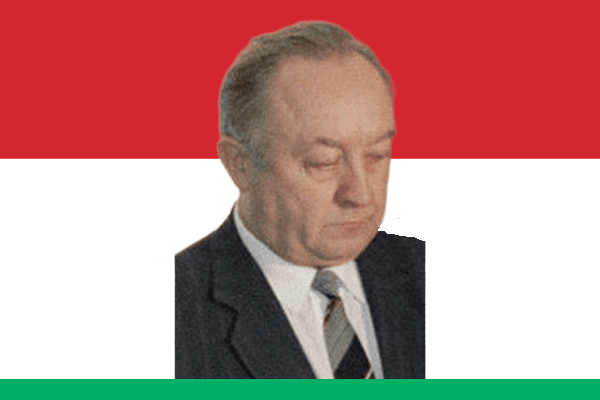
Mr. Vyacheslav Kebich
In Office: 19 September 1991 – 21 July 1994
Political Party: Independent
Home State: Koniuszewszczyzna
Lifespan: 1936–2020
Country: Belarus
Image credits available here.
Early Life and Education
Vyacheslav Frantsevich Kebich was born on June 10, 1936, in western Belarus, which was then part of Poland. He grew up during a difficult historical period marked by war and political change. Despite these challenges, he pursued education with determination and developed strong technical and administrative skills.
Kebich graduated from the Belarusian Polytechnic Institute as an engineer. After completing his studies, he worked in industrial management and gradually earned recognition for his organizational abilities. His experience in engineering and administration helped him rise through the ranks of the Soviet political and economic system.
Political Career in Soviet Belarus
Before Belarus gained independence, Kebich served in several important government positions within the Belarusian Soviet Socialist Republic. He worked in industrial planning and economic administration, where he gained valuable experience in managing state enterprises.
During the 1980s, he became one of the leading political figures in Soviet Belarus. His practical approach to governance and economic management earned him support from many officials. Rather than focusing on radical political reforms, he concentrated on maintaining stability and improving industrial productivity.
Prime Minister of Belarus
In 1990, Vyacheslav Kebich became Prime Minister of Belarus. At that time, the Soviet Union was weakening rapidly, and political uncertainty spread across Eastern Europe. Kebich faced the enormous challenge of preparing Belarus for independence while managing economic difficulties.
After Belarus declared independence in 1991, Kebich became the first Prime Minister of the newly independent country. He worked actively to establish government institutions and stabilize the economy. Unlike some leaders who pushed for rapid market reforms, Kebich favored gradual economic changes. He believed that strong economic ties with Russia would protect Belarus from economic collapse.
Kebich promoted cooperation with Russia and supported closer regional integration. He argued that Belarus depended heavily on Russian energy and trade, making cooperation essential for economic survival. His policies reflected a cautious and pragmatic approach to national development.
Economic Policies and Challenges
The early 1990s brought serious economic problems to Belarus. Inflation increased, industries struggled, and many citizens faced financial hardship. Kebich attempted to manage these problems by preserving state control over major industries while introducing limited economic reforms.
He encouraged industrial production and tried to maintain employment levels. Although his policies provided short-term stability, critics argued that they slowed economic modernization. Some political opponents believed Belarus needed stronger democratic reforms and a faster transition to a market economy.
Despite criticism, Kebich remained influential because many citizens valued stability during a time of uncertainty. His leadership style emphasized order, continuity, and economic cooperation with former Soviet states.
1994 Presidential Election
In 1994, Belarus held its first presidential election. Vyacheslav Kebich entered the race as one of the leading candidates. He campaigned on experience, stability, and close relations with Russia.
However, he faced strong opposition from Alexander Lukashenko, who criticized government corruption and promised major political change. Lukashenko won the election, and Kebich’s political influence declined afterward.
Although Kebich lost the presidency, his role in shaping independent Belarus remained significant. He helped guide the country through one of the most difficult periods in its history.
Legacy and Historical Importance
Vyacheslav Kebich remains an important figure in Belarusian political history. As the country’s first Prime Minister after independence, he played a key role in establishing state institutions and maintaining national stability during a period of major transformation.
His cautious economic policies and support for close ties with Russia influenced Belarusian politics for many years. While some critics viewed his reforms as too slow, supporters appreciated his focus on stability and gradual change.
Historians often remember Kebich as a pragmatic leader who prioritized economic security and political order during uncertain times.
Conclusion
Vyacheslav Kebich contributed significantly to the formation of independent Belarus. Through active leadership, economic management, and diplomatic cooperation, he helped the nation navigate the difficult transition from Soviet rule to independence. His political career reflects the challenges faced by many post-Soviet leaders during a period of historic change.