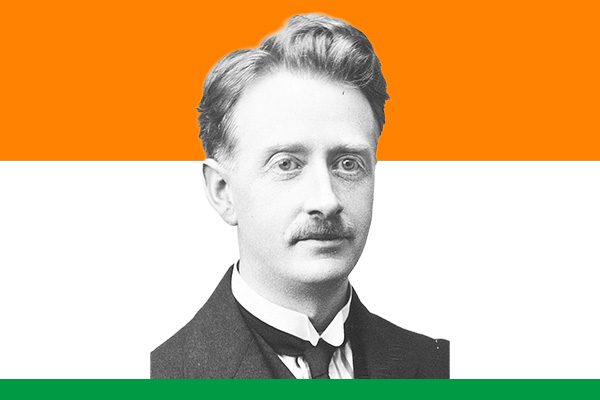
Early Life and Education
William Thomas Cosgrave was born on June 5, 1880, in Dublin. He grew up in a modest family and received his education in local schools. From an early age, he showed an interest in Irish nationalism and public affairs. As a young man, he joined political movements that sought greater independence for Ireland. His involvement in national causes helped shape his future political career.
Entry into Politics
Cosgrave became actively involved in Irish politics during the early twentieth century. He joined the nationalist organization Sinn Féin and supported efforts to achieve self-government for Ireland. After the 1916 Easter Rising, he became more prominent in political affairs. He was elected to local government positions and later became a member of the Irish parliament, known as Dáil Éireann. Through hard work and dedication, he gained the trust of fellow politicians and the public.
Leadership of the Irish Free State
Following the establishment of the Irish Free State in 1922, Cosgrave became the head of government. The country faced many challenges, including political divisions, economic difficulties, and the aftermath of civil conflict. Despite these problems, Cosgrave worked to strengthen democratic institutions and maintain law and order.
His government established important state structures, including courts, public services, and administrative systems. He believed in constitutional government and respected democratic principles. Under his leadership, the Irish Free State gained recognition as a stable and independent nation. His administration also improved relations with other countries and helped Ireland secure a stronger position in international affairs.
Major Achievements
One of Cosgrave’s greatest achievements was creating a functioning democratic government during a time of uncertainty. He encouraged political stability and promoted respect for the rule of law. His government developed public institutions that continued to serve Ireland for many years.
Cosgrave also supported economic development and worked to improve government efficiency. Although resources were limited, his administration managed public finances carefully. His leadership helped build confidence in the new state and laid the foundation for future growth.
Another significant achievement was his commitment to peaceful political processes. Instead of relying on force, he promoted debate, elections, and constitutional methods. This approach strengthened democracy and contributed to Ireland’s long-term political stability.
Later Years and Legacy
In 1932, Cosgrave’s government was defeated in a general election, and power was peacefully transferred to the opposition. This event demonstrated the strength of Irish democracy and reflected Cosgrave’s respect for constitutional government. He continued to serve in politics for many years and remained an influential public figure.
W. T. Cosgrave passed away on November 16, 1965. Today, he is remembered as a founding leader of modern Ireland. Historians recognize his role in establishing democratic institutions and guiding the country through a challenging period.
Conclusion
W. T. Cosgrave played a crucial role in shaping modern Ireland. Through strong leadership, dedication to democracy, and commitment to public service, he helped transform the Irish Free State into a stable nation. His achievements continue to be respected, and his legacy remains an important part of Irish history.