Early Life and Education
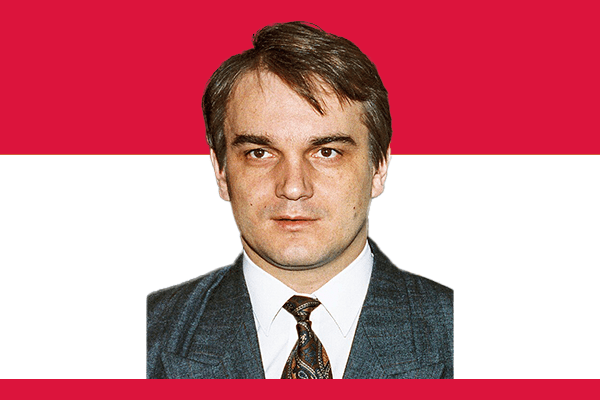
Waldemar Pawlak was born on 5 September 1959 in Model, Poland. He grew up in a period when Poland was under communist rule, and this environment deeply influenced his understanding of politics and public service. He studied at the Warsaw University of Technology, where he specialized in engineering. His technical education gave him a logical and organized approach to leadership, which later helped him in government administration and national policy planning.
Before entering top-level politics, Pawlak worked as an engineer and became involved in local public affairs. His early experiences allowed him to understand the challenges faced by ordinary citizens, especially farmers and people living in rural regions of Poland.
Political Rise
After the collapse of communism in Eastern Europe, Poland entered a new democratic era. During this period, Waldemar Pawlak quickly emerged as a rising political leader. He joined the Polish People’s Party (PSL), a party that traditionally represented farmers and rural interests. Because of his intelligence, discipline, and ability to negotiate, he soon became one of the party’s most influential members.
In 1992, Pawlak first became Prime Minister of Poland. At that time, Poland was experiencing political instability, and governments changed rapidly. His first term was very short, lasting only a few weeks. Although this period was brief, it showed that national leaders trusted him during a difficult political moment.
Prime Minister of Poland
Waldemar Pawlak served a second and more significant term as Prime Minister from 1993 to 1995. During this time, he led the country through an important stage of democratic and economic transition. Poland was moving away from a centrally planned economy and building a modern market system. Pawlak worked to maintain political balance while supporting economic reforms.
His government focused on strengthening state institutions, improving economic management, and protecting the interests of rural communities. He also worked on foreign relations as Poland increased cooperation with Western Europe and international organizations. While his administration faced criticism from political opponents, many people respected his calm and moderate leadership.
Later Career and Legacy
After leaving the office of Prime Minister, Pawlak remained active in Polish politics. He continued to lead the Polish People’s Party and served in several important government roles. From 2007 to 2012, he served as Deputy Prime Minister and Minister of Economy. In these positions, he helped guide Poland during a period of global economic uncertainty and promoted energy policy, business development, and economic stability.
Pawlak built a reputation as a skilled negotiator and a steady political figure. Unlike many leaders who relied on dramatic speeches, he preferred practical solutions and coalition-building. His long career demonstrated consistency, patience, and dedication to public service.
Conclusion
Waldemar Pawlak remains one of Poland’s notable post-communist political leaders. As a two-time Prime Minister, he helped guide the country during a crucial period of political and economic change. His leadership supported democratic institutions, economic reform, and rural representation. Through his work in government and the Polish People’s Party, Pawlak left a lasting mark on Poland’s modern political history. His career continues to symbolize stability, moderation, and service to the nation.