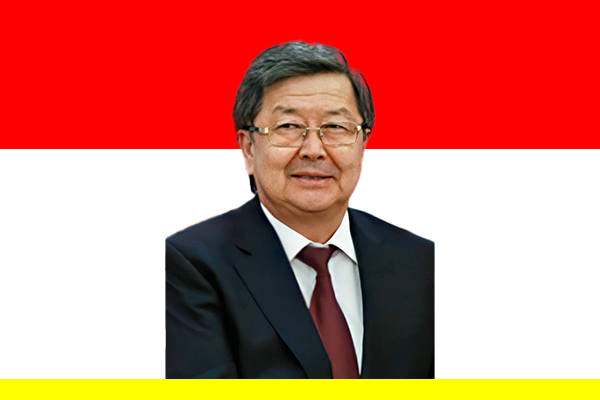
Mr. Zhantoro Satybaldiyev
In Office: 6 September 2012 – 25 March 2014
Political Party: Independent
Home State: Bishkek
Lifespan: born 1956
Country: Kyrgyzstan
Image credits available here.
Early Life and Education
Zhantoro Satybaldiyev was born on 21 March 1956 in the Osh region of southern Kyrgyzstan. Coming from a background rooted in the country’s rural and industrial development, he pursued higher education in economics and engineering-related fields. His academic training provided him with a solid understanding of production management, planning, and economic organization, skills that later shaped his administrative and political career. Before entering national politics, he gained extensive experience in industrial management and regional administration.
Early Career and Entry into Politics
Satybaldiyev began his professional life in the industrial sector, where he worked in various managerial roles. Over time, he transitioned into public administration, holding senior positions at the regional level. His reputation as a disciplined administrator and pragmatic problem-solver helped him rise through the ranks of government service. Prior to becoming Prime Minister, he served as First Deputy Prime Minister, a role that allowed him to engage directly with economic policy, infrastructure development, and inter-ministerial coordination.
Appointment as Prime Minister
In September 2012, Zhantoro Satybaldiyev was appointed Prime Minister of Kyrgyzstan. His appointment followed the resignation of his predecessor amid political disagreements within the ruling coalition. As Prime Minister, Satybaldiyev was tasked with stabilizing the government, managing coalition dynamics, and implementing reforms in a politically sensitive environment. His leadership style was generally described as cautious and administrative, focusing more on governance than political rhetoric.
Policies and Governance
During his premiership, Satybaldiyev prioritized economic stability, public sector reform, and infrastructure development. He supported efforts to modernize the energy sector, improve road connectivity, and strengthen fiscal discipline. His government also worked on social policies aimed at reducing poverty and improving public services, particularly in education and healthcare.
Another key focus was maintaining political balance within the parliamentary system. Kyrgyzstan’s coalition-based governance required constant negotiation, and Satybaldiyev often acted as a consensus builder to keep the government functioning. While sweeping reforms were limited, his administration emphasized gradual progress and institutional continuity.
Challenges and Resignation
Satybaldiyev’s tenure was marked by several challenges, including internal political disputes, public dissatisfaction over corruption, and debates surrounding major economic projects. In April 2014, amid growing political pressure and disagreements within the ruling coalition, he resigned from the post of Prime Minister. His resignation reflected the fragile nature of Kyrgyzstan’s parliamentary politics rather than a single policy failure.
Legacy and Later Life
After leaving office, Zhantoro Satybaldiyev remained a significant figure in discussions about governance and reform in Kyrgyzstan. His time as Prime Minister is often viewed as a stabilizing phase during a period of ongoing political transition. While not remembered for dramatic transformations, his contribution lies in maintaining administrative order and supporting incremental reforms in a challenging political landscape.
Conclusion
Zhantoro Satybaldiyev’s role as Prime Minister of Kyrgyzstan highlights the importance of steady leadership during times of uncertainty. His background in administration and economics shaped a pragmatic approach to governance. Though his premiership was brief, it remains an important chapter in Kyrgyzstan’s post-revolution political development.