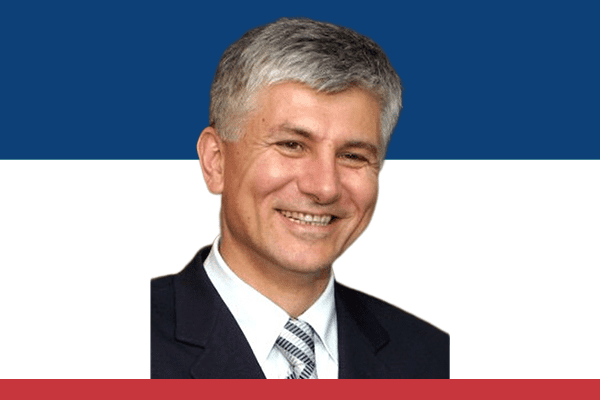
Early Life and Education
Zoran Đinđić was born on August 1, 1952, in Bosanski Šamac, which was then part of Yugoslavia. He grew up in a middle-class family and showed a strong interest in academics and politics from a young age. He studied philosophy at the University of Belgrade and became involved in student activism during his university years.
Because of his political activities and criticism of the communist government, authorities arrested him along with other students. Despite these challenges, he continued his education and later moved to Germany. He earned a doctorate in philosophy from the University of Konstanz under the guidance of renowned philosopher Jürgen Habermas. His education in Western Europe shaped his democratic and reformist ideas.
Entry into Politics
During the late 1980s, Yugoslavia experienced political instability and economic problems. Zoran Đinđić entered politics to promote democracy and political freedom. In 1989, he helped establish the Democratic Party, one of Serbia’s first opposition parties against communist rule.
Đinđić quickly became known for his sharp political strategies and modern outlook. Unlike many traditional politicians, he focused on practical reforms, economic development, and stronger ties with European countries. He believed Serbia needed democratic institutions and economic modernization to secure a better future.
Opposition to Slobodan Milošević
Throughout the 1990s, Đinđić strongly opposed the leadership of Slobodan Milošević. He criticized corruption, authoritarian rule, and Serbia’s international isolation. During this difficult period, he worked with opposition groups to challenge the government.
In 1997, he became the Mayor of Belgrade after opposition parties won local elections. As mayor, he introduced administrative improvements and promoted transparency. However, political conflicts limited his time in office.
Đinđić played a key role in organizing democratic opposition movements that eventually removed Milošević from power in 2000. His leadership helped unite different political groups around the goal of democratic change.
Prime Minister of Serbia
In 2001, Zoran Đinđić became Prime Minister of Serbia. He immediately launched ambitious reforms aimed at rebuilding the country after years of war, sanctions, and economic decline. He encouraged foreign investment, supported free-market reforms, and worked to strengthen democratic institutions.
One of his most controversial decisions involved cooperating with the International Criminal Tribunal for the former Yugoslavia. He approved the extradition of Slobodan Milošević to The Hague for war crimes trials. Although many international leaders praised this decision, nationalist groups inside Serbia strongly opposed it.
Đinđić also fought organized crime and corruption, which had become deeply rooted in Serbian society during the 1990s. His policies challenged powerful criminal networks and political extremists.
Assassination and Legacy
On March 12, 2003, assassins shot and killed Zoran Đinđić in Belgrade. His death shocked Serbia and the international community. Investigations linked the assassination to organized crime groups and extremist elements who opposed his reforms.
Despite his short time in office, Đinđić left a lasting impact on Serbia. Many people remember him as a courageous reformer who tried to modernize the country and establish democratic values. His vision emphasized education, economic progress, European integration, and political responsibility.
Today, political leaders, scholars, and citizens continue to debate and study his ideas. Streets, institutions, and memorials across Serbia honor his contribution to democracy and national development.
Conclusion
Zoran Đinđić transformed Serbian politics through his reformist vision and active leadership. He challenged authoritarianism, promoted democracy, and worked toward a modern European future for Serbia. Although his life ended tragically, his influence remains significant in Serbian political history.