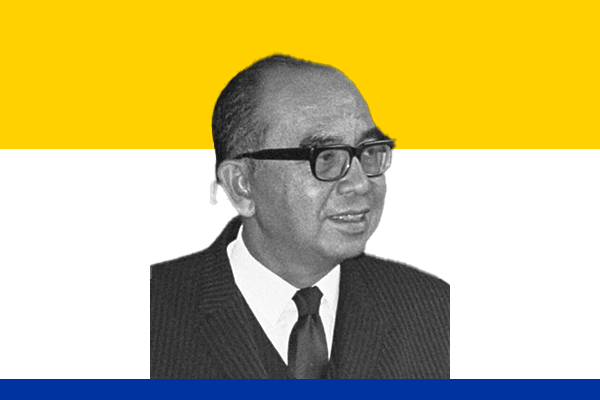
Early Life and Education
Abdul Razak Hussein was born on 11 March 1922 in Pahang, British Malaya. He came from a family deeply connected with administration and leadership, which influenced his interest in public service from an early age. He received his early education in Malaya before pursuing higher studies abroad. His exposure to international education helped shape his progressive outlook and equipped him with modern administrative and political ideas. These formative years laid the foundation for his future role in national leadership.
Entry into Politics
Abdul Razak Hussein entered politics during a crucial period when Malaya was moving toward independence. He became actively involved in the United Malays National Organisation (UMNO), where he quickly emerged as a strong and disciplined leader. His political skills, organizational ability, and commitment to national unity brought him into the core leadership of the independence movement. After Malaya achieved independence in 1957, he was entrusted with key ministerial responsibilities.
Role as Deputy Prime Minister
Abdul Razak Hussein served as Malaysia’s Deputy Prime Minister from 1957 to 1970. During this period, he played a central role in governance and policy-making. He focused strongly on rural development, education, and national integration. He believed that political independence would have little meaning without economic progress and social equality. As Deputy Prime Minister, he helped design and implement policies aimed at reducing poverty and improving living standards, especially in rural areas.
Contribution to National Development
One of Abdul Razak Hussein’s most significant contributions was his emphasis on structured national development. He was instrumental in formulating development plans that focused on agriculture, infrastructure, and education. He promoted land development schemes to help rural populations become economically self-reliant. His policies reflected a practical approach to nation-building, balancing economic growth with social harmony. These efforts strengthened the country’s administrative capacity and laid the groundwork for future economic expansion.
Leadership During National Challenges
Malaysia faced serious ethnic and political challenges during Abdul Razak Hussein’s tenure as Deputy Prime Minister, particularly in the late 1960s. He played a key role in restoring stability and rebuilding public confidence in the government. His calm and firm leadership helped guide the nation through a sensitive transition period. He emphasized unity, discipline, and inclusive policies to ensure long-term peace and stability.
Legacy and Historical Importance
Abdul Razak Hussein’s legacy as Deputy Prime Minister remains deeply respected in Malaysia. His vision of development, unity, and strong governance influenced national policies for decades. Many of the institutions and development strategies he supported continued to shape Malaysia long after his tenure. His leadership demonstrated the importance of long-term planning, national cohesion, and service-oriented politics.
Conclusion
Deputy Prime Minister Abdul Razak Hussein was a visionary leader whose contributions went far beyond his official title. Through dedication, discipline, and a strong commitment to development, he helped transform Malaysia into a more stable and forward-looking nation. His role as Deputy Prime Minister remains a defining chapter in Malaysia’s political history and continues to inspire future generations of leaders.