Mr. Abdullah Ahmad Badawi
In Office: 8 January 1999 – 31 October 2003
Political Party: Barisan Nasional
Home State: Bayan Lepas
Lifespan: 1939–2025
Country: Malaysia
Image credits available here.
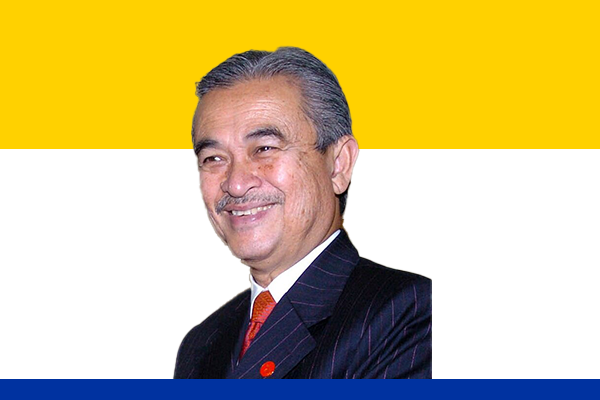
Abdullah Ahmad Badawi, widely recognized for his calm demeanor and thoughtful approach to politics, served as Malaysia’s Deputy Prime Minister before eventually becoming the country’s fifth Prime Minister. Born on November 26, 1939, in Penang, Malaysia, Abdullah grew up in a family deeply rooted in education and public service, which greatly influenced his political vision and philosophy.
Abdullah’s political career began in the United Malays National Organization (UMNO), Malaysia’s dominant political party. His dedication, strategic thinking, and reputation for honesty allowed him to rise steadily within the party ranks. Before assuming the role of Deputy Prime Minister in 1999 under Prime Minister Mahathir Mohamad, Abdullah had already held various ministerial portfolios, including the Minister of Education, where he earned recognition for his efforts to improve Malaysia’s educational standards and accessibility.
As Deputy Prime Minister, Abdullah Ahmad Badawi was known for promoting a moderate and inclusive political stance. He consistently emphasized transparency, accountability, and good governance, principles that would later define his tenure as Prime Minister. Abdullah played a significant role in shaping national policies, particularly in areas related to social development, economic growth, and anti-corruption measures. His approach focused on balancing rapid modernization with the preservation of Malaysia’s multicultural values, ensuring that economic progress did not marginalize any community.
During his time as Deputy Prime Minister, Abdullah was instrumental in coordinating between various government ministries, ensuring cohesive policymaking and implementation. He often acted as a stabilizing figure in the cabinet, mediating conflicts and fostering collaboration among ministers. His leadership style was marked by patience and diplomacy, earning him respect both within his party and among opposition leaders.
Abdullah’s tenure also highlighted Malaysia’s increasing engagement with global partners. He actively participated in regional and international forums, advocating for Malaysia’s interests while promoting peace, economic cooperation, and sustainable development. His diplomatic skills enhanced Malaysia’s reputation on the international stage and contributed to the country’s steady economic growth during a period of global uncertainty.
Moreover, Abdullah Ahmad Badawi focused on improving public welfare and social policies. He championed initiatives aimed at poverty reduction, educational reform, and strengthening the healthcare system. His emphasis on moral governance and community-oriented programs reflected his belief that political leadership should be accountable not only to economic indicators but also to the wellbeing of the citizens.
Abdullah’s calm and measured personality often contrasted with the more assertive political figures of his time, making him a uniquely approachable leader. His dedication to service and integrity left a lasting impression on Malaysia’s political landscape. Though his time as Deputy Prime Minister ultimately served as a stepping stone to his premiership, his influence on national governance and his commitment to principled leadership remain noteworthy.
In summary, Abdullah Ahmad Badawi’s period as Deputy Prime Minister was marked by dedication, integrity, and a vision for inclusive development. His pragmatic approach to governance, emphasis on moral and ethical leadership, and efforts to foster national unity established him as a significant figure in Malaysia’s political history. His work during this time not only shaped the policies and direction of the country but also set a standard for future leaders in Malaysia.