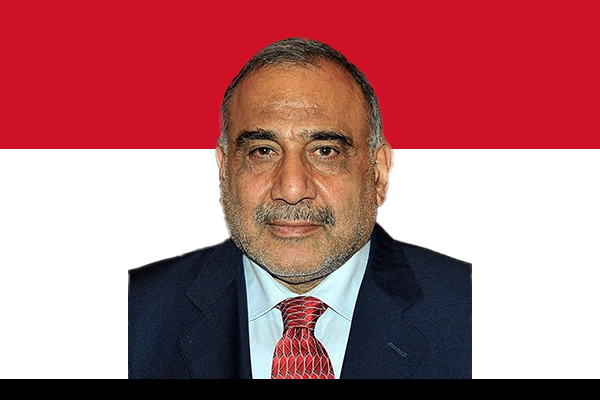
Early Life and Education
Adil Abdul-Mahdi was born in 1942 in Baghdad, Iraq, into a respected religious and intellectual family. From an early age, he showed a strong interest in political thought and public affairs. He pursued higher education abroad, studying economics and political philosophy, which greatly influenced his analytical approach to governance. His exposure to international ideas helped him develop a broad worldview that later shaped his economic and political policies.
Entry into Politics
Abdul-Mahdi became politically active during his youth, initially engaging with ideological movements that sought social justice and national independence. Over time, his political thinking evolved, and he shifted toward pragmatic governance and institutional reform. Following years of exile during earlier Iraqi regimes, he returned to Iraq after major political changes, ready to contribute to rebuilding the country’s political system.
Role as Vice President of Iraq
Adil Abdul-Mahdi served as Vice President of Iraq from 2014 to 2015, a time when the country faced severe security threats, economic strain, and political fragmentation. In this role, he worked closely with the president, prime minister, and parliament to support national unity and constitutional governance. His vice presidency focused on advising the executive leadership, promoting dialogue among political factions, and encouraging reforms aimed at strengthening state institutions.
Economic Vision and Reforms
With a strong background in economics, Abdul-Mahdi emphasized financial reform, transparency, and efficient management of Iraq’s natural resources. He advocated for reducing corruption, diversifying the economy, and improving public sector performance. During his tenure as vice president, he supported policies aimed at stabilizing state finances and ensuring that oil revenues benefited the broader population.
Political Philosophy and Leadership Style
Adil Abdul-Mahdi is widely regarded as a thoughtful and calm leader. Rather than relying on populist rhetoric, he preferred negotiation, consensus-building, and institutional solutions. His leadership style emphasized long-term planning, respect for constitutional processes, and cooperation among Iraq’s diverse political and social groups. This approach earned him respect across different political circles, even among those who disagreed with him.
Challenges and Criticism
Like many Iraqi leaders, Abdul-Mahdi faced criticism related to the slow pace of reform and the complexity of Iraq’s political environment. Structural corruption, external pressures, and internal divisions limited the effectiveness of many initiatives. Despite these challenges, he continued to argue that sustainable reform required patience, strong institutions, and public participation.
Legacy and Impact
Adil Abdul-Mahdi’s tenure as vice president contributed to shaping Iraq’s post-conflict political discourse. His emphasis on economic reform, dialogue, and institutional stability left a lasting influence on governance debates. Later, his experience as vice president helped prepare him for higher executive responsibilities, further cementing his role in Iraqi political history.
Conclusion
Vice President Adil Abdul-Mahdi stands as an important figure in Iraq’s contemporary politics. His intellectual background, reform-minded vision, and commitment to national unity highlight his significance as a leader who sought to guide Iraq through challenging times with reasoned policies and inclusive governance.