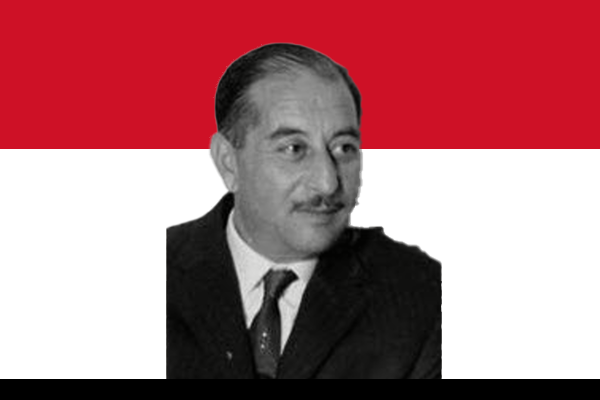
Early Life and Military Career
Al-Bakr’s early life was marked by discipline and dedication. He joined the Iraqi army at a young age, quickly distinguishing himself through his commitment and strategic skills. His military background provided him with both the experience and the network to influence political change in Iraq. Al-Bakr’s exposure to nationalist ideas during his military service motivated him to pursue a career in politics, with the aim of modernizing Iraq and consolidating national sovereignty.
Entry into Politics and Rise in the Ba’ath Party
Ahmed Hassan al-Bakr’s political career took shape when he joined the Arab Socialist Ba’ath Party. The party, which advocated Arab nationalism, socialism, and anti-imperialism, found in al-Bakr a disciplined and pragmatic leader. He gradually gained the trust of party members and became an essential strategist. His organizational skills and ability to unite different factions within the party contributed to the Ba’ath Party’s increasing influence in Iraq.
Role as Vice President
Al-Bakr’s leadership qualities and loyalty to the party led to his appointment as Vice President of Iraq. During his tenure, he worked closely with President Abdul Salam Arif and later other key political figures to consolidate the Ba’ath Party’s influence in governance. As Vice President, al-Bakr focused on strengthening the military, implementing social reforms, and promoting economic development. His role was crucial in laying the groundwork for political stability and for preparing the Ba’ath Party to take full control of the government.
Consolidation of Power
During his vice presidency, al-Bakr skillfully navigated Iraq’s complex political environment. He built alliances, addressed internal challenges, and enhanced Iraq’s regional standing. His leadership style was marked by pragmatism and strategic foresight, allowing him to gradually consolidate power without immediate confrontation. By cultivating strong support within the military and the Ba’ath Party, he positioned himself as a central figure in Iraq’s political hierarchy.
Legacy and Historical Impact
Ahmed Hassan al-Bakr eventually became President of Iraq in 1968, a position he held until 1979, when he was succeeded by Saddam Hussein. However, his tenure as Vice President remains historically significant. He was instrumental in shaping modern Iraqi governance, stabilizing the political system, and implementing early reforms that influenced Iraq’s economic and social policies. His contributions helped establish the Ba’ath Party as a dominant political force in Iraq and left a lasting impact on the country’s development.
Conclusion
Vice President Ahmed Hassan al-Bakr’s life reflects the trajectory of a dedicated military officer turned influential political leader. From his early days in the army to his strategic role in the Ba’ath Party and vice presidency, al-Bakr consistently demonstrated leadership, pragmatism, and vision. His work during his vice presidency laid the foundation for his later achievements as President and continues to be remembered as a crucial period in Iraq’s modern history.