Mr. Alexander Rutskoy
In Office: 10 July 1991 – 4 October 1993
Political Party: Central Military Government
Home State: Khmelnytskyi
Lifespan: Born 1947
Country: Russia
Image credits available here.
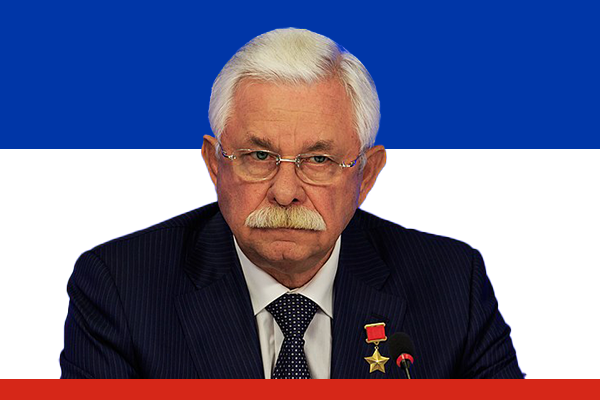
Early Military Career
Rutskoy joined the Soviet Air Force, where he actively trained and excelled as a pilot. He completed rigorous education at military academies and participated in strategic operations that enhanced his leadership skills. Throughout his military career, he actively demonstrated courage and discipline, earning numerous awards, including the title Hero of the Soviet Union. His military background later influenced his approach to political decision-making, particularly in matters of national security and defense.
Transition to Politics
In the late 1980s and early 1990s, Rutskoy actively transitioned from military service to political life. He leveraged his reputation as a disciplined and decisive leader to gain public support. In 1991, Rutskoy actively campaigned alongside Boris Yeltsin during the Russian presidential elections. Yeltsin appointed him as Vice President of Russia, recognizing his leadership skills and ability to navigate complex political environments.
Vice Presidency of Russia
Alexander Rutskoy served as Vice President of Russia from 1991 to 1993. During his tenure, he actively advised the President on military and security matters while also influencing domestic policies. Rutskoy actively addressed economic challenges and regional conflicts, emphasizing the importance of law, order, and national unity. He consistently communicated his perspectives on governance and actively participated in cabinet meetings, legislative discussions, and national security councils.
Role in the 1993 Constitutional Crisis
Rutskoy actively became a central figure during the 1993 Russian constitutional crisis. Disagreements between him and President Yeltsin over political reforms and economic policies escalated into a confrontation. Rutskoy actively opposed Yeltsin’s dissolution of the Russian parliament and declared himself Acting President of Russia in October 1993. He actively led parliamentary supporters, demanding adherence to constitutional procedures and advocating for political negotiation rather than unilateral decisions. Despite his active efforts, the crisis ended with military intervention, and Rutskoy was arrested but later pardoned.
Later Political Career
After the crisis, Rutskoy actively engaged in regional politics. He served as Governor of Kursk Oblast from 1996 to 2000, where he actively promoted economic development, infrastructure projects, and social welfare programs. He prioritized local governance and actively worked to improve education, healthcare, and industry in the region. Rutskoy maintained a strong presence in Russian political discourse, actively commenting on national policies and advocating for military veterans and social programs.
Legacy and Influence
Alexander Rutskoy’s career reflects active leadership, a commitment to national security, and resilience in political challenges. He actively shaped discussions on governance, constitutional law, and regional development, leaving a lasting imprint on Russian politics. Rutskoy’s blend of military discipline and political activism continues to influence contemporary debates on leadership, public service, and constitutional governance.
Alexander Rutskoy’s life demonstrates active engagement in both military and political arenas. From his early service in the Soviet Air Force to his tenure as Vice President of Russia and later governorship, Rutskoy actively contributed to shaping Russian policy and governance, leaving a notable legacy in the nation’s political history.