Mr. Anwar Ibrahim
In Office: 1 December 1993 – 2 September 1998
Political Party: Barisan Nasional
Home State: Bukit Mertajam
Lifespan: born – 1947
Country: Malaysia
Image credits available here.
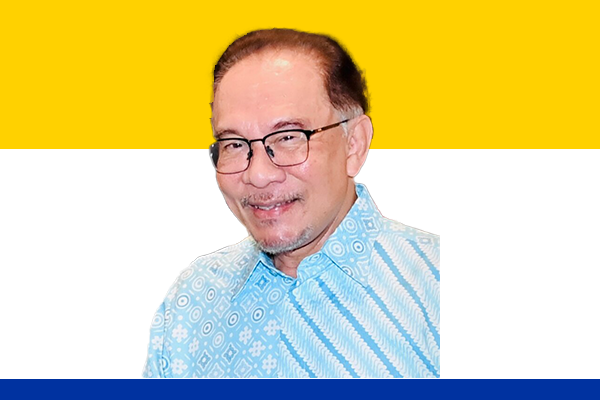
Early Life and Education
Anwar Ibrahim was born on 10 August 1947 in Bukit Mertajam, Penang. From an early age, he showed a strong inclination toward social justice, education, and religious values. He pursued his higher education at the University of Malaya, where he emerged as a student leader. During his university years, he actively engaged in youth movements and social activism, focusing on poverty, rural development, and moral reform. These early experiences laid the foundation for his lifelong commitment to public service and reform.
Entry into Politics
Anwar Ibrahim entered mainstream politics in the early 1980s after gaining prominence as an Islamic intellectual and activist. His decision to join the United Malays National Organisation (UMNO) marked a turning point in his career. He quickly rose through the ranks due to his leadership abilities and reform-oriented thinking. Over time, he held several key ministerial positions, including Minister of Education and Minister of Finance, where he gained recognition for his administrative competence and economic insight.
Role as Deputy Prime Minister
Anwar Ibrahim’s appointment as Deputy Prime Minister represented a period of high expectations and significant influence. In this role, he worked closely with the Prime Minister and played a major part in shaping national economic policies and governance reforms. He emphasized transparency, accountability, and ethical leadership. As Finance Minister, he advocated fiscal discipline and economic modernization, earning respect both domestically and internationally.
Political Struggles and Imprisonment
Despite his rapid rise, Anwar Ibrahim’s political journey faced dramatic challenges. In the late 1990s, he was removed from office and later imprisoned following a major political crisis. These events shocked the nation and sparked widespread public debate on justice, governance, and democratic freedoms. Anwar’s imprisonment became a symbol of political struggle and reform in Malaysia. Throughout this period, he maintained his stance on democracy and human rights, gaining widespread support from reform-minded citizens.
Return to Political Leadership
After years of political exclusion, Anwar Ibrahim made a strong comeback. He re-entered Parliament and emerged as the leader of the opposition, uniting diverse political groups under a reform agenda. His leadership emphasized institutional reform, social justice, and inclusive economic growth. As Deputy Prime Minister again, he brought with him decades of experience, resilience, and a renewed commitment to national unity.
Ideology and Leadership Style
Anwar Ibrahim’s leadership style blends intellectual depth with moral conviction. He advocates democratic governance, rule of law, and social equity. His speeches often stress the importance of education, ethical leadership, and economic opportunity for all citizens. He believes in balancing economic development with social responsibility, making his vision appealing to a broad segment of society.
Legacy and Significance
Deputy Prime Minister Anwar Ibrahim’s legacy lies in his perseverance and unwavering belief in reform. His life story reflects the struggles and aspirations of modern Malaysia. Through setbacks and successes, he has remained committed to democratic principles and national progress. His influence continues to shape Malaysia’s political landscape, making him a defining figure of his generation.
In conclusion, Anwar Ibrahim’s role as Deputy Prime Minister symbolizes resilience, reform, and leadership. His journey from student activist to national leader highlights the power of conviction and the enduring pursuit of justice in public life.