Mr. Chang Myon
In Office: August 19, 1960 – May 17, 1961
Political Party: Democratic
Home State: Musan
Lifespan: 1899–1966
Country: South Korea
Image credits available here.
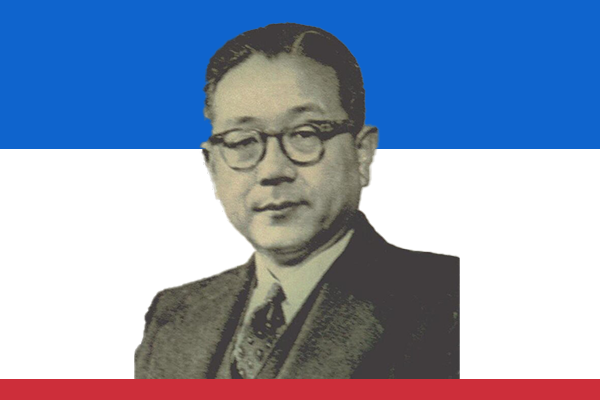
Early Life and Education
Chang Myon (also known as John Myon Chang) grew up in a Korea struggling under Japanese colonial rule, and he developed a strong desire to fight for national dignity. Born in 1899, he pursued education intensely and embraced Catholicism early in life, which shaped his values of ethics, service, and justice. He studied at Catholic institutions and later traveled to the United States, where he continued his education and broadened his understanding of democracy and global affairs. These experiences strengthened his belief that Korea needed a political system rooted in freedom and civic participation.
Entry Into Public Service
Chang Myon entered public life with a deep commitment to national independence. He worked as an educator and diplomat before taking larger political responsibilities. He represented Korea at the United Nations immediately after World War II, where he spoke passionately about Korean independence and unity. By advocating for Korea on the international stage, he helped the world recognize Korea’s political needs during a turbulent historical period. His diplomatic success elevated his reputation and positioned him as a rising democratic leader.
Rise in Korean Politics
As South Korea established its government in 1948, Chang Myon stepped into a central political role. He served as Speaker of the National Assembly and showed a strong ability to mediate disputes and encourage democratic debate. His leadership style emphasized cooperation, constitutional values, and transparency.
In 1956, the people elected him as Vice President of South Korea. He served under President Syngman Rhee but maintained his own political identity. While Rhee pursued authoritarian methods, Chang Myon pushed for democratic reforms and criticized corruption. His independent stance often created tension within the administration, but it also strengthened his public image as a defender of integrity.
Leadership During National Crisis
The political climate of South Korea grew increasingly unstable near the end of the 1950s. Widespread public protests demanded an end to election fraud and authoritarian rule. Chang Myon supported democratic voices and urged the government to address the people’s grievances. After the April Revolution in 1960 forced President Rhee to resign, Chang Myon became a central figure in rebuilding the country.
The new constitution introduced a parliamentary system, and the National Assembly elected Chang Myon as Prime Minister, making him the head of government. He worked tirelessly to restore democratic stability, reorganize public institutions, and promote economic modernization. His administration introduced reforms in finance, education, and foreign policy. He also worked to strengthen international alliances and attract economic aid to support national development.
Downfall and Later Life
Despite Chang Myon’s strong democratic ambition, his administration faced major challenges. Student unrest, economic difficulties, and political fragmentation weakened the government. In 1961, General Park Chung-hee led a military coup that overthrew Chang Myon’s government. Chang Myon refused to support authoritarian rule and continued to advocate for democracy even after he left office.
He spent his remaining years writing, teaching, and promoting ethical leadership. He passed away in 1966, but his contributions influenced generations of Korean reformists.
Legacy
Chang Myon remains an important symbol of South Korea’s early democratic struggle. He defended political freedom at a time when authoritarianism threatened the nation’s future. His commitment to education, diplomacy, and reform continues to inspire Korea’s democratic institutions today.